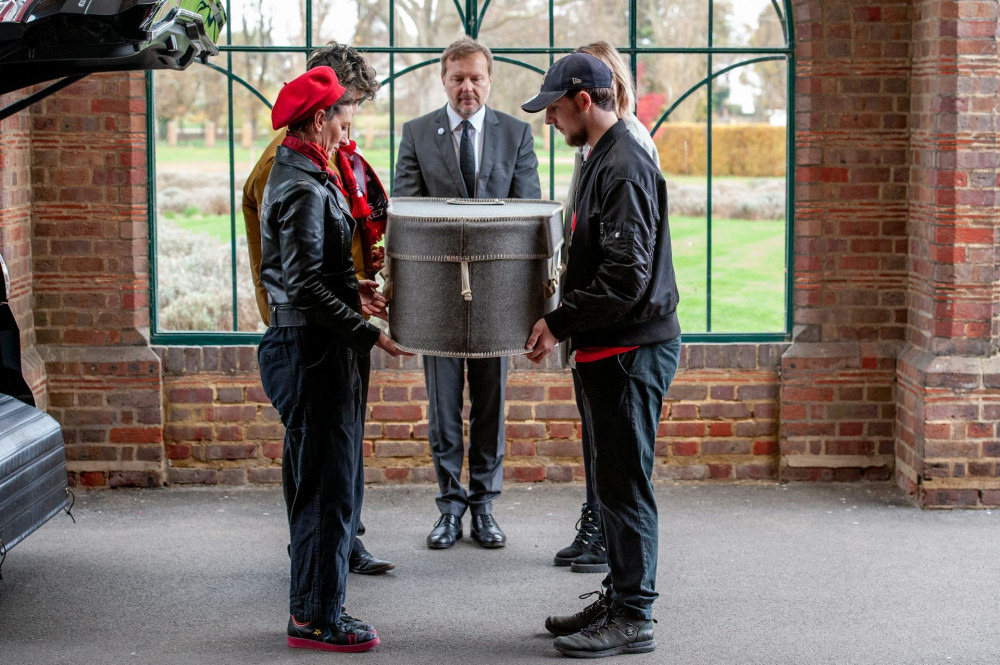
The Many Faces of Grief: There’s No Right Way to Mourn


The Many Faces of Grief: There’s No Right Way to Mourn
Grief is one of the most universal human experiences—and at the same time, one of the most personal. When we lose someone we love, the world around us changes. Time can feel both endless and frozen, and emotions may swing between shock, anger, guilt, relief, and deep sadness. But one thing is certain: there is no right or wrong way to grieve.
The Many Forms of Grief
Grief looks different for everyone. Some people cry often, while others hardly at all. Some seek comfort in community, while others need solitude. For some, grief comes like a tidal wave, sudden and overwhelming; for others, it unfolds slowly, almost imperceptibly.
Psychologists often describe grief not as a straight line, but as a movement back and forth between loss and adaptation. There may be days when you feel strong and hopeful, and others when the pain feels unbearable. Both are normal. Grief is not a problem to solve—it’s an experience to live through.
The Myth of the “Right” Stages
Many of us have heard of the classic “five stages of grief”—denial, anger, bargaining, depression, and acceptance. But in reality, few people’s experiences fit neatly into that model. Grief doesn’t follow a checklist. It’s fluid, unpredictable, and shaped by the relationship we had with the person who died, our life circumstances, and our individual ways of coping.
The most important thing is to allow yourself to feel what you feel. To accept that grief can look different from day to day—and that this doesn’t mean you’re doing it wrong.
When Others Don’t Understand
One of the hardest parts of grieving can be how others respond. Many people want to help but don’t know how. Some pull away, afraid of saying the wrong thing. Others offer well-meant phrases like “everything happens for a reason” or “time heals all wounds.” While these words may come from kindness, they can sometimes feel hollow.
As someone who is grieving, you might feel misunderstood or alone. It can help to express what you need—whether that’s silence, practical help, or simply someone who will listen without trying to fix anything. Grief doesn’t need solutions; it needs presence.
Læs også:



Finding Meaning Amid Loss
For many, grieving also involves finding a new way to live with the loss. This doesn’t mean forgetting the person who died, but learning to carry their memory as part of yourself. Some find comfort in rituals—lighting a candle, visiting a favorite place, or writing letters to the person they’ve lost. Others find meaning through faith, nature, art, or community.
Finding meaning doesn’t erase the pain, but it can help transform it—giving it a place in life where it no longer consumes everything.
When Grief Becomes Too Heavy
While grief is a natural response to loss, sometimes it becomes so heavy that it’s hard to move forward. If you feel stuck for a long time, lose interest in life, or struggle to function day to day, it may be time to reach out for help. Talking with a therapist, counselor, or support group can make a difference. Seeking help isn’t a sign of weakness—it’s an act of self-care.
No one should have to carry grief alone.
Living On—with Love Intact
At its core, grief is about love. We grieve because we have loved deeply. And though loss changes our lives, love can endure—in our memories, in the values and stories we carry forward, and in the way we choose to live.
To live on doesn’t mean letting go of the person we’ve lost. It means finding a new way to keep them with us. That takes time—and that’s okay. Grief has no expiration date, only transformation.
Læs også: