How to Choose the Right Inscription for a Headstone

How to Choose the Right Inscription for a Headstone
Choosing the inscription for a headstone is one of the most personal decisions you’ll make when saying goodbye to someone you love. The words you choose will honor their memory, reflect their life, and express the feelings that remain. It can feel like a daunting task, but with some thought and guidance, you can find an inscription that feels both meaningful and true.
Begin with the Basics
Most headstone inscriptions start with the essentials: the person’s full name, date of birth, and date of death. These details identify who is being remembered and mark the span of their life. Many families also include a short phrase such as “Beloved Mother and Wife” or “Forever in Our Hearts.” These simple, timeless expressions convey love and remembrance in just a few words.
Think about whether you want the inscription to sound formal or more personal. Some families prefer a traditional layout, while others choose a modern or poetic tone. What matters most is that the words feel authentic to you and to the person being honored.
Personal Words That Tell a Story
A headstone inscription can do more than list facts—it can tell a story. It can capture something about who the person was, what they valued, or how they lived. This might be a short phrase, a favorite saying, a line from a poem, or a sentiment that reflects their spirit.
Here are a few ideas for personal touches:
- A reference to a passion or calling, such as “A Teacher Who Inspired Many” or “He Loved the Open Road.”
- A message from family, like “Cherished Father, Grandfather, and Friend.”
- A guiding belief, such as “She Lived with Grace and Kindness.”
If you choose a quote, make sure it’s either in the public domain or that you have permission to use it. Many people select brief, timeless sayings or Bible verses that will remain meaningful for generations.
Consider Language and Tone
In the United States, most headstones are inscribed in English, but you might choose another language if it reflects your loved one’s heritage or faith. Some families combine languages—for example, an English name with a Spanish or Hebrew phrase that held special meaning.
The tone can be solemn, warm, humorous, or poetic. There are no strict rules, but it’s worth thinking about how the inscription will be read by family members and visitors. Often, the simplest and most heartfelt words make the strongest impression.
Practical Considerations
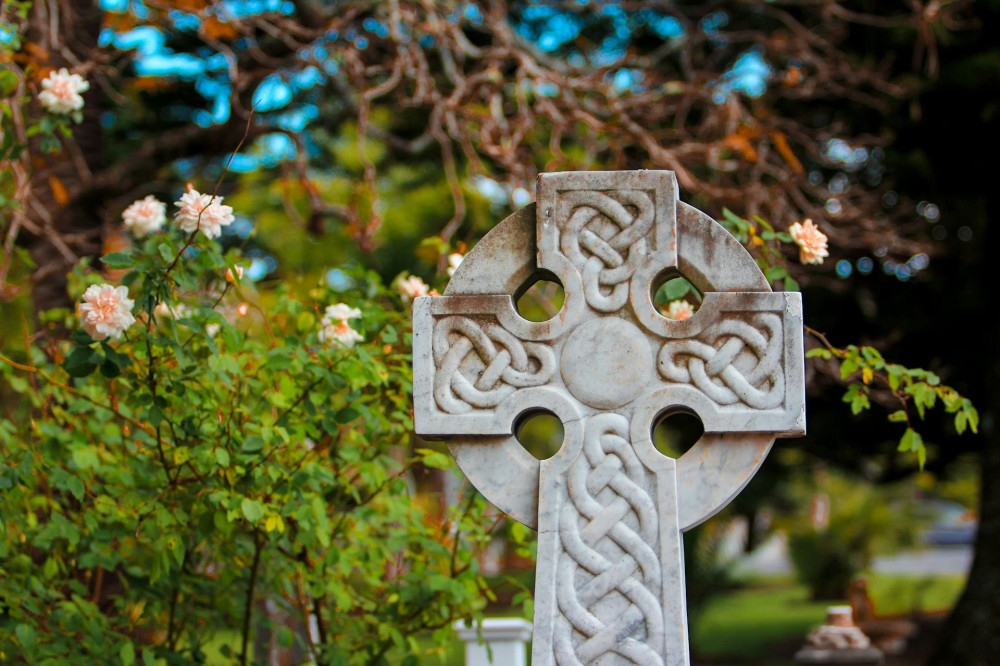
The size and material of the headstone will naturally limit how much text you can include. Granite, marble, and bronze each offer different possibilities for engraving, and the size of the lettering affects both the look and readability.
Talk with your monument maker or cemetery representative about layout options and lettering styles. Some fonts appear classic and dignified, while others feel more contemporary. Make sure the inscription will remain legible and beautiful for many years to come.
Læs også:
Involve the Family
Choosing the inscription can be a shared process. It may help to talk with other family members about what words best describe your loved one. Someone might recall a phrase or memory that feels just right.
If opinions differ, try to focus on what the deceased would have wanted. A headstone inscription should be a loving tribute—an expression of respect and connection rather than a compromise.
Take Your Time
There’s no need to rush. Many families find that it takes time to settle on the right words, and that’s perfectly natural. Some choose to have the name and dates engraved first and add a personal line later, once emotions have settled and inspiration comes more easily.
Selecting a headstone inscription is both an act of farewell and a way to keep a bond alive. The words you choose will stand as a lasting testament to a life lived and a love that endures.
Læs også: