Buried in Nature – The Final Journey in Life’s Cycle

Buried in Nature – The Final Journey in Life’s Cycle
Across the United States, more people are rethinking what it means to say goodbye. Instead of traditional cemeteries lined with granite headstones, many are turning toward forests, meadows, and open fields—places where the rhythms of nature become part of the final chapter. A natural burial is not only about simplicity or beauty; it reflects a deeper wish to return to the earth, to complete life’s cycle in a way that feels authentic and meaningful.
What Is a Natural Burial?
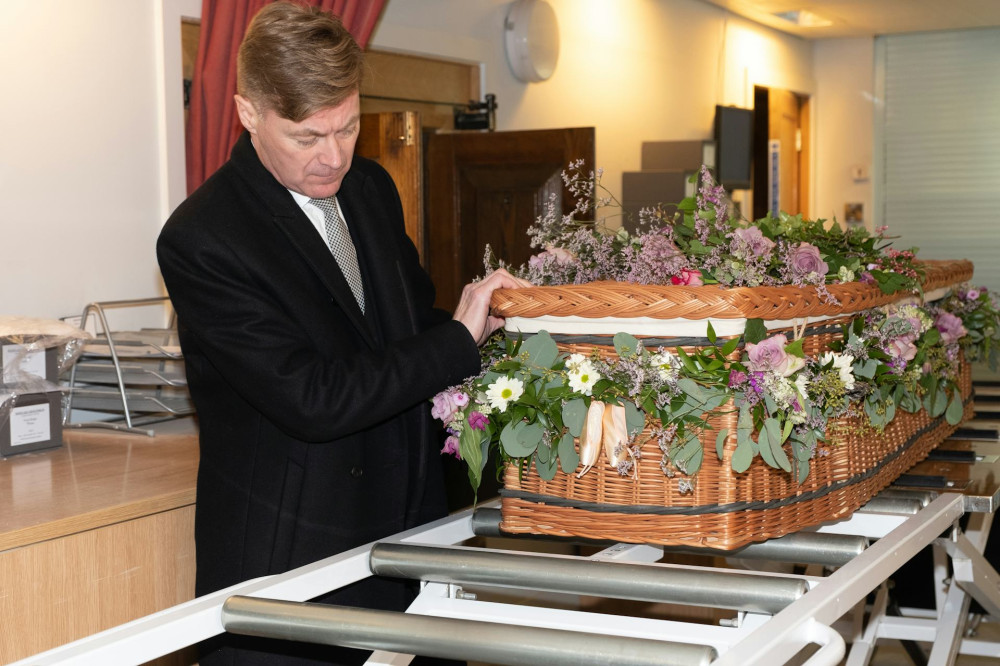
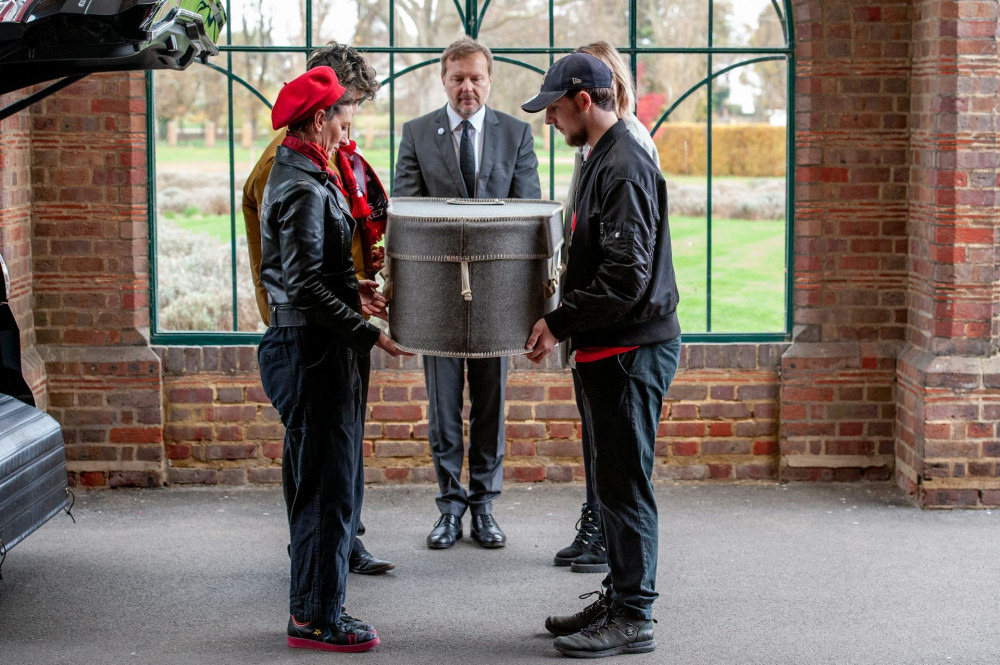
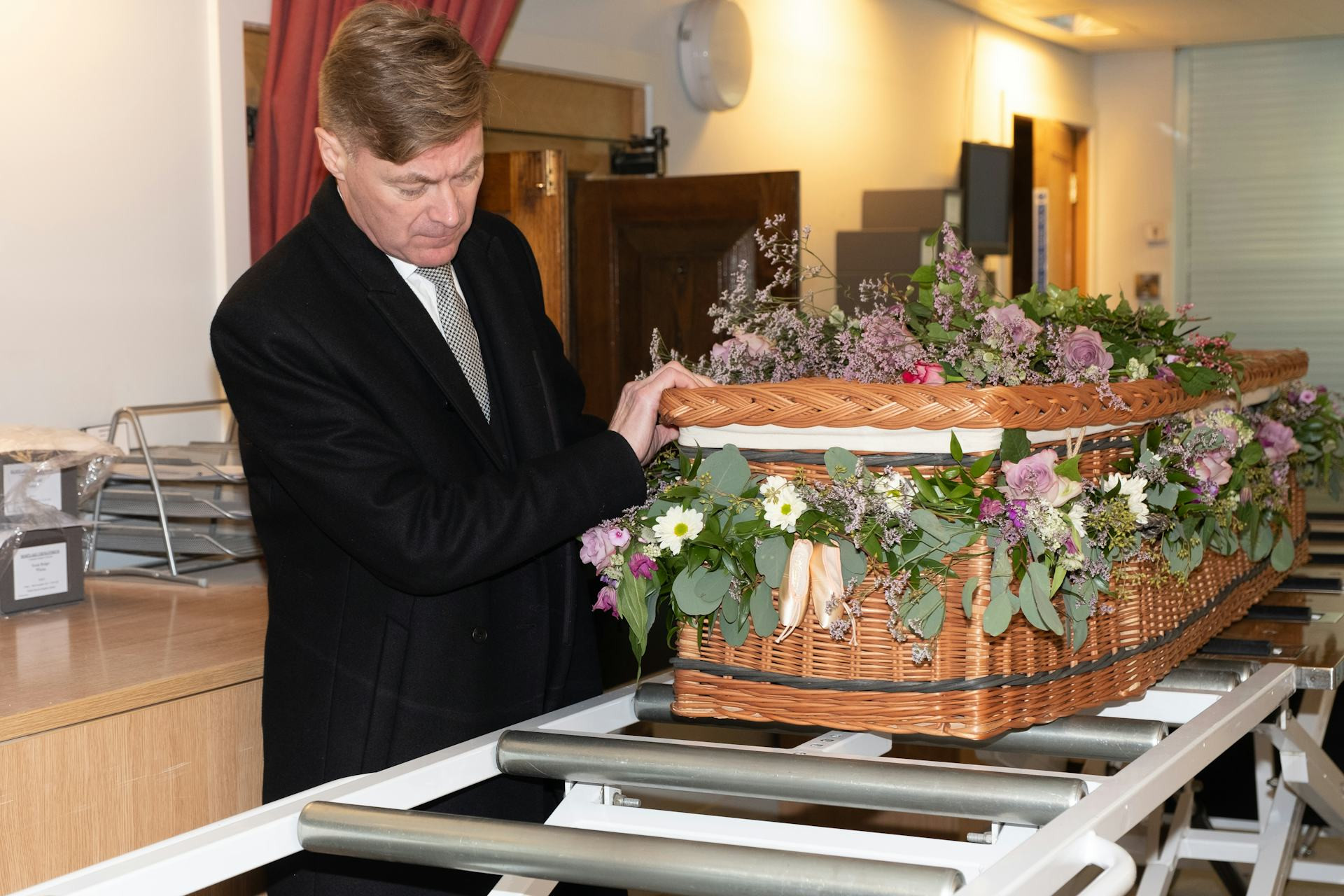
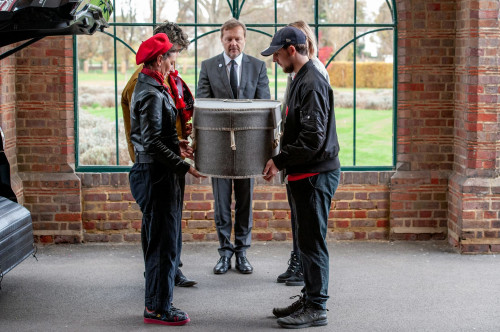
A natural burial, sometimes called a green burial, is a way of laying a person to rest with minimal environmental impact. The body is placed in a biodegradable casket or shroud, without embalming chemicals, allowing it to decompose naturally and nourish the soil. Some families choose to bury ashes in biodegradable urns, while others scatter them in designated natural areas.
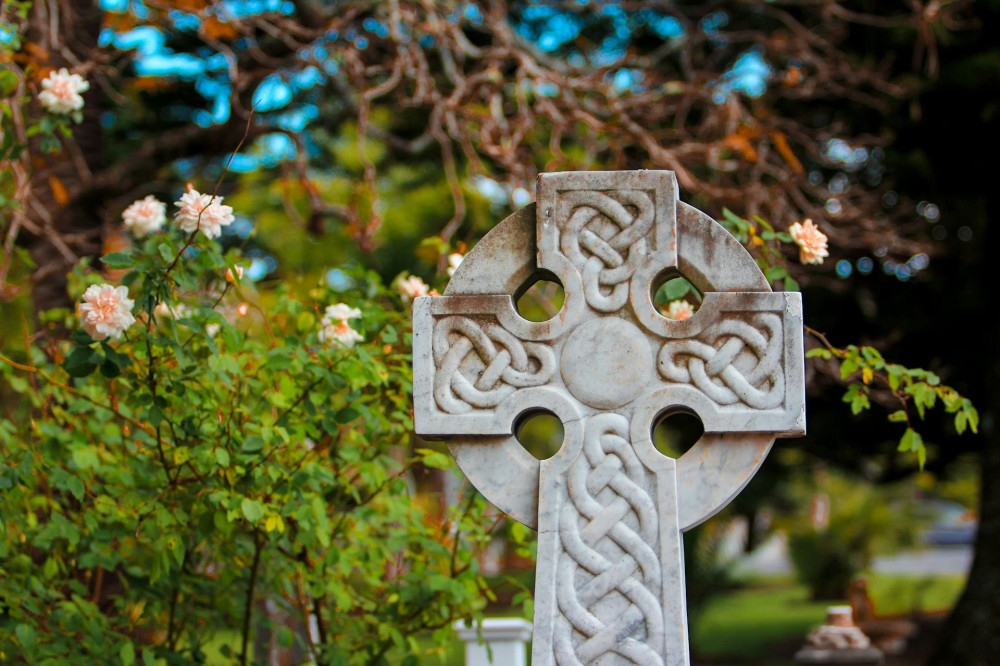
In the U.S., natural burial grounds—often called conservation cemeteries or green burial preserves—are growing in number. These sites are designed to blend seamlessly with the landscape. Instead of rows of headstones, graves are marked with simple stones, native plants, or GPS coordinates. The focus is on preserving and restoring ecosystems, so that each burial contributes to the health of the land.
Læs også:
A Growing Movement
The modern green burial movement began gaining momentum in the early 2000s, inspired by environmental awareness and a desire for more personal, meaningful rituals. Today, there are more than 300 certified green burial sites across the country, from the pine forests of Maine to the rolling hills of California. Organizations such as the Green Burial Council help set standards and educate families about sustainable end-of-life options.
For many Americans, the appeal lies in the values it represents: simplicity, sustainability, and a return to nature. Some choose it because they are not affiliated with a particular religion or because they want a more intimate farewell. Others see it as a final act of environmental responsibility—one that avoids the carbon footprint of cremation and the chemicals used in conventional burials.
How It Works
Planning a natural burial can be as personal and flexible as one wishes. Some families hold a small ceremony at the burial site, surrounded by trees and birdsong. Others gather at home or in a community space before the burial. The process is guided by the cemetery’s staff, who ensure that the burial meets environmental standards and respects the natural setting.
The body or urn is placed directly into the earth, often at the base of a tree or in a meadow. Loved ones may add flowers, leaves, or personal tokens made from natural materials. There are few formal rules—what matters most is that the farewell feels right for those involved.
For those who prefer cremation, scattering ashes in nature is also an option, though local regulations vary. Some families choose to scatter ashes in national parks, forests, or at sea, always following the required permits and environmental guidelines.
A Choice That Invites Reflection
Choosing a natural burial invites both practical and emotional reflection. It’s important to discuss wishes with family members early on, to ensure that everyone understands and supports the decision. Because natural graves are often unmarked or minimally marked, some families create a memorial space at home—a garden, a tree, or a simple stone—to keep the memory close.
This approach also encourages a broader conversation about how we relate to death and remembrance. Without a traditional grave to visit, remembrance becomes more fluid, woven into the living world rather than confined to a single place.
The Comfort of Nature
For many, nature offers a kind of solace that words cannot. Standing in a quiet forest, hearing the wind move through the leaves, one can sense the continuity of life. Death, in this context, is not an end but a transformation—a return to the same earth that once sustained us.
That sense of belonging, of being part of something larger, is what draws so many to natural burial. It connects the personal with the universal: our individual stories with the timeless rhythm of the natural world.
A Quiet Shift in How We Say Goodbye
Natural burial is still a small but steadily growing movement in the United States. It reflects a cultural shift toward sustainability, mindfulness, and authenticity—even in death. Where once the cemetery was the unquestioned norm, the forest, the prairie, and the sea are now becoming part of our collective imagination of farewell.
This change is not about rejecting tradition but expanding it—finding new ways to honor life as it ends. For many, it is comforting to know that the final journey does not end in stone and concrete, but in soil, sunlight, and the endless cycle of renewal.
Læs også: