Preparing for Cremation: What Should You Consider?

Preparing for Cremation: What Should You Consider?
When a loved one passes away, families are faced with many decisions—both emotional and practical. One of the most significant is whether to choose cremation or burial. In the United States, cremation has become increasingly common, but the decision still involves several important considerations. Here’s a guide to help you understand what to think about when preparing for a cremation.
What Does Cremation Involve?
Cremation is the process of reducing the body to ashes through high heat in a crematory. The remains are then placed in an urn, which can be kept, buried, or scattered according to the wishes of the deceased or their family.
Crematories in the U.S. are regulated by state laws and must follow strict procedures to ensure dignity and accuracy. The process typically takes a few hours, after which the ashes are carefully collected and placed in a labeled container to prevent any mix-up.
Understanding the Deceased’s Wishes
The first step in preparing for cremation is determining what the deceased wanted. Some people make their preferences known in advance through a will, a prepaid funeral plan, or a final wishes document. These may specify whether they wanted to be cremated and how they wished their ashes to be handled.
If no written instructions exist, the next of kin usually makes the decision. It’s a good idea to have open conversations about end-of-life preferences while everyone is still alive and well. Doing so can ease the burden on family members later.
Læs også:

Choosing an Urn and Final Resting Place
Once cremation is chosen, you’ll need to select an urn. Urns come in many materials—metal, wood, ceramic, glass, or biodegradable options for eco-friendly burials. The choice often depends on personal taste, budget, and what will be done with the ashes.
Common options for the final resting place include:
- Burial in a cemetery – The urn can be placed in a burial plot or a columbarium niche.
- Keeping the urn at home – Some families prefer to keep the ashes in a special place at home.
- Scattering the ashes – This can be done in a meaningful location, such as a garden, mountain, or body of water, depending on local laws.
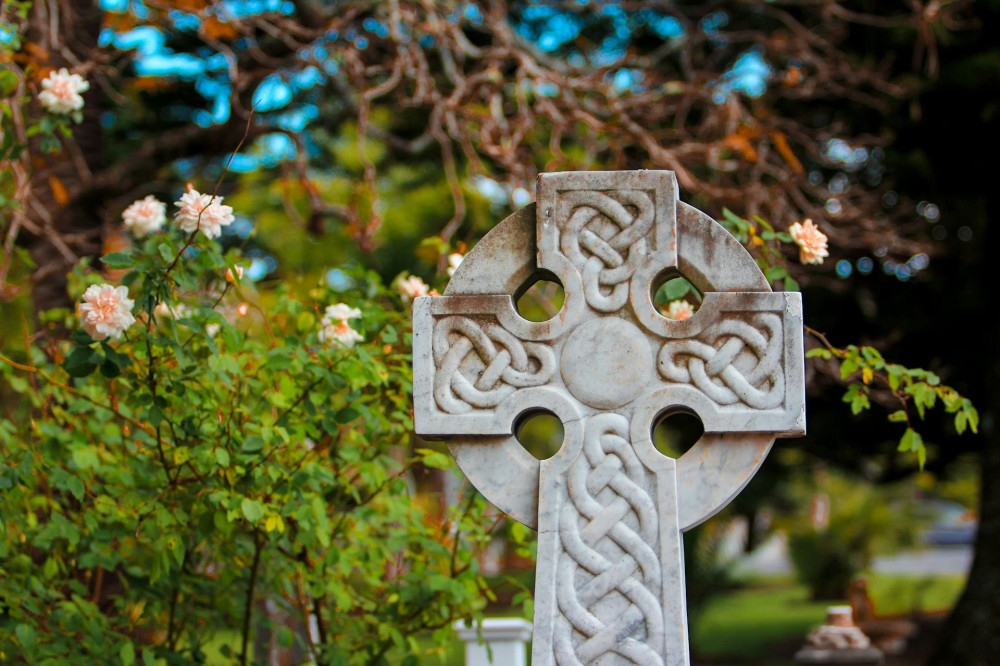
- Green burial or natural setting – Some cemeteries offer natural areas where biodegradable urns can be buried.
Before scattering ashes, check state and local regulations. For example, scattering on private property requires the owner’s permission, and scattering at sea must follow Environmental Protection Agency (EPA) guidelines.
Legal and Practical Steps
After a death, a death certificate must be issued before cremation can take place. Most states also require a cremation authorization form, signed by the next of kin. Funeral homes typically handle these documents and coordinate with the crematory.
Cremation usually occurs within a few days after the paperwork is complete. The ashes are then returned to the family, who can plan a memorial or interment at a later date.
Memorial Services and Ceremonies
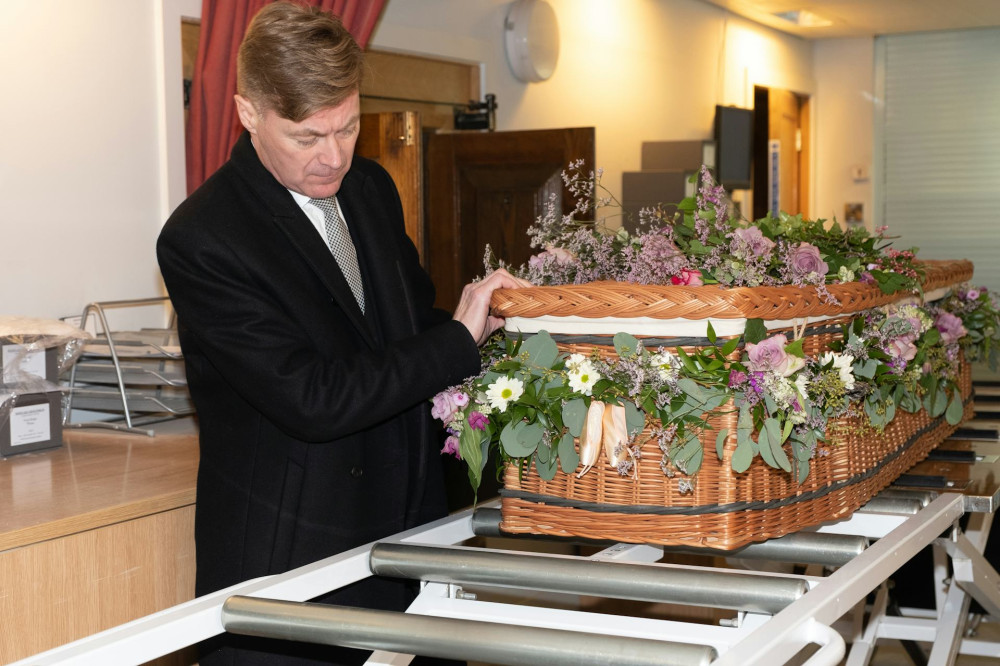
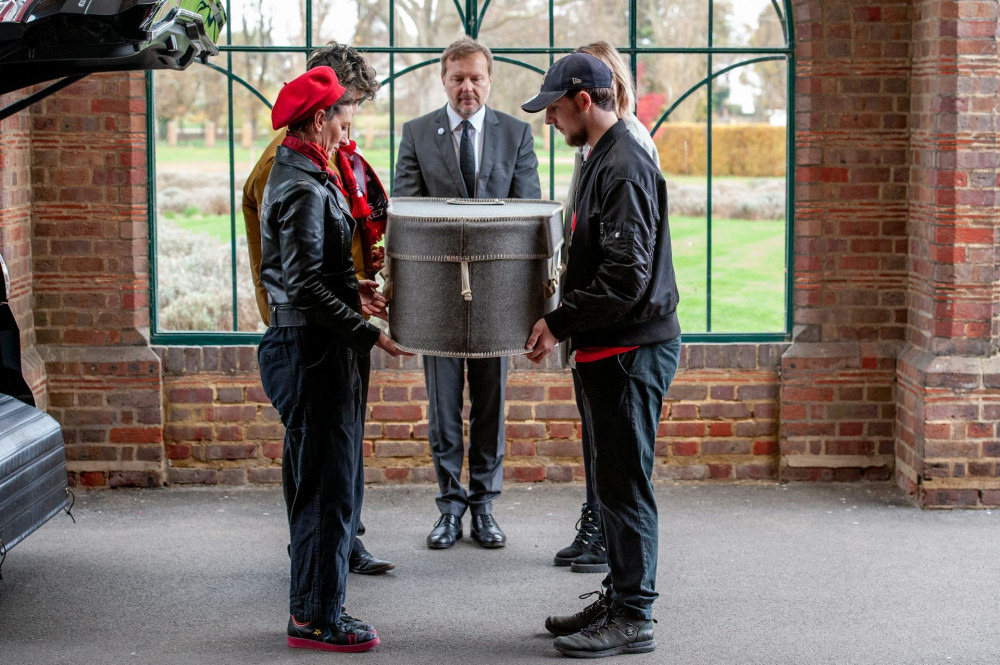
A cremation can be accompanied by a memorial service either before or after the process. Some families hold a funeral service with the body present before cremation, while others prefer a memorial service afterward, with the urn displayed.
There are no strict rules about how to honor a loved one. Music, readings, photos, and personal touches can make the ceremony meaningful and reflective of the person’s life.
Costs and Financial Considerations
Cremation is generally less expensive than a traditional burial, but costs can vary widely. Expenses may include the funeral home’s services, the cremation itself, the urn, and any memorial or burial arrangements.
If cost is a concern, ask for a General Price List (GPL) from the funeral home, as required by the Federal Trade Commission’s Funeral Rule. This allows you to compare prices and choose only the services you need. Some families also explore prepaid cremation plans to lock in today’s prices and reduce future stress.
Planning Ahead
Although it can be difficult to discuss, planning for cremation in advance can bring peace of mind. Writing down your wishes and sharing them with loved ones ensures that your preferences are respected and that your family won’t have to make difficult decisions during a time of grief.
Preparing for cremation is ultimately about respect—honoring the wishes of the deceased, supporting the needs of the living, and creating a farewell that feels both personal and meaningful.
Læs også: