Wild Cooking Over the Campfire: Discover Nature’s Flavors in Your Outdoor Kitchen

Wild Cooking Over the Campfire: Discover Nature’s Flavors in Your Outdoor Kitchen
There’s something magical about cooking under an open sky. The scent of wood smoke, the crackle of the fire, and the satisfaction of creating a meal surrounded by nature—it’s an experience that feeds both body and soul. Wild cooking over the campfire isn’t just about eating; it’s about connecting with the outdoors, slowing down, and savoring the simple pleasures of life. Here’s how you can bring nature’s flavors to your outdoor kitchen and rediscover the joy of cooking in the wild.
Nature’s Pantry – Forage and Find Your Ingredients
One of the most rewarding parts of wild cooking is using what nature provides. Across the United States, you can find edible plants, berries, mushrooms, and herbs that add a unique, local touch to your meals.
- Spring and Summer: Look for wild ramps, dandelion greens, fiddlehead ferns, and wild mint. They’re perfect for fresh salads, pestos, or sautés.
- Fall: The forests come alive with wild mushrooms, hickory nuts, and late-season berries—great for stews or desserts.
- Year-round: Coastal areas offer seaweed and beach greens, while the Southwest has prickly pear and mesquite pods for adventurous cooks.
Always forage responsibly: only pick what you can identify with certainty, take no more than you need, and leave enough for wildlife and future growth. A good rule of thumb is to harvest no more than one-third of what you find.
The Campfire – The Heart of Outdoor Cooking
A good fire is the foundation of any outdoor kitchen. It provides warmth, light, and the perfect heat for cooking. Use dry, seasoned hardwoods like oak, hickory, or maple—they burn evenly and create long-lasting coals.
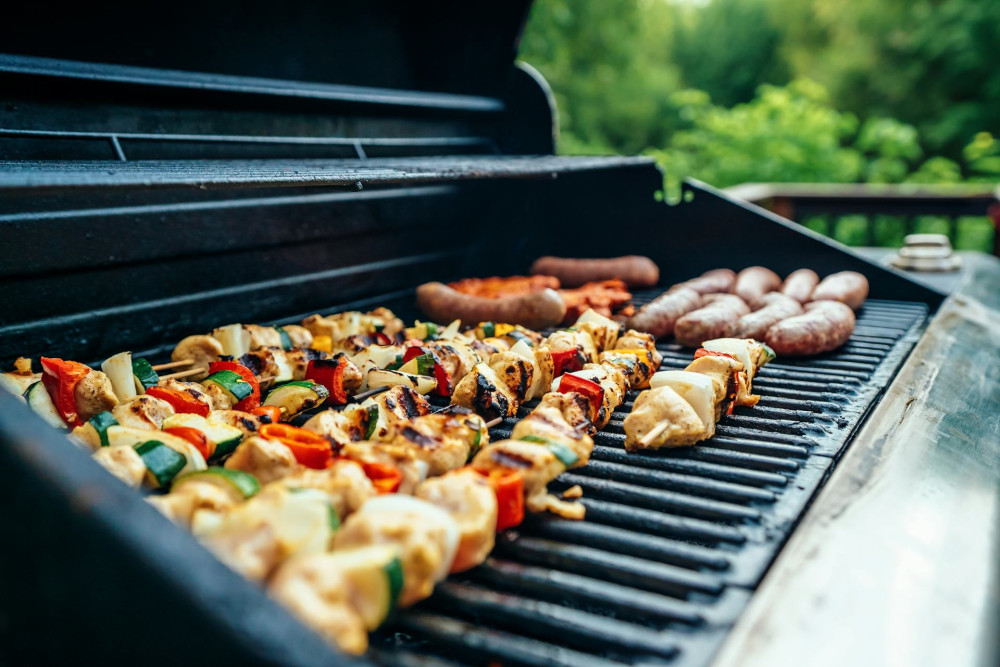
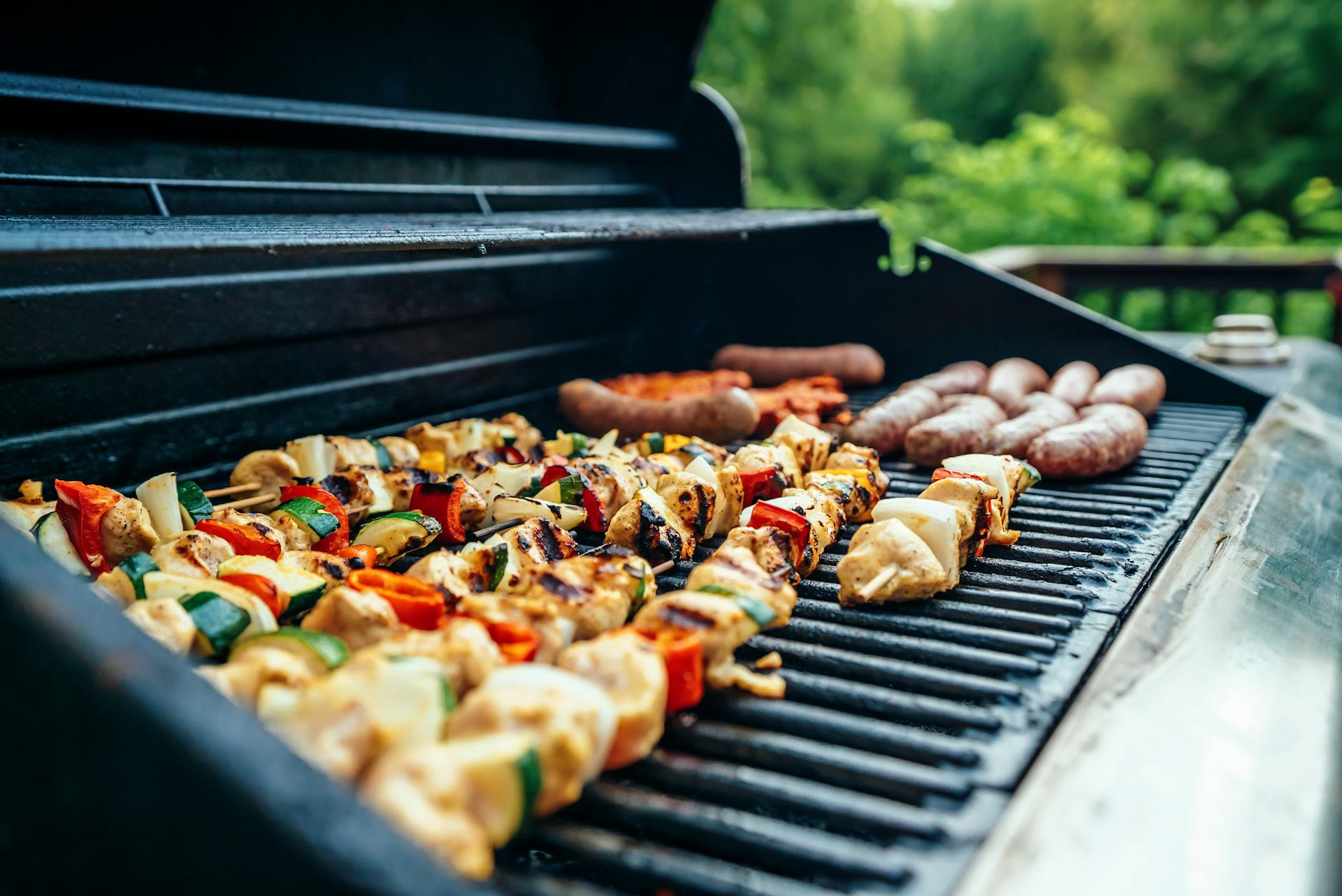
Build your fire in layers: small twigs at the bottom, thicker sticks on top, and light it from the center. Once the flames die down and you have a glowing bed of coals, you’re ready to cook. A simple grill grate, tripod, or cast-iron skillet can turn your campfire into a versatile kitchen.
Gear That Makes It Easy
You don’t need a lot of fancy equipment to cook outdoors, but the right tools make the experience smoother and safer.
- Cast-iron skillet or Dutch oven – perfect for stews, pancakes, or roasted vegetables.
- Sharp knife and cutting board – for prepping ingredients.
- Tongs and heat-resistant gloves – to handle hot cookware safely.
- Water jug and towel – for cleaning up and staying safe around the fire.
For extra comfort, bring a blanket, a thermos of coffee, and some fresh bread. Cooking outdoors is as much about the atmosphere as it is about the food.
Læs også:
Simple Dishes That Taste Like the Wild
When cooking over a campfire, simplicity is key. Let the ingredients and the smoky flavor shine. Here are a few ideas to get you started:
- Campfire chili – hearty, smoky, and easy to make in a Dutch oven.
- Foil packet potatoes – toss with olive oil, salt, and herbs, then cook in the coals.
- Grilled fish with wild herbs – ideal if you’re near a lake or river.
- Skillet cornbread – a classic side that pairs with almost anything.
For dessert, try roasting apples with cinnamon and honey or making s’mores with a twist—add wild berries or a drizzle of local maple syrup.
Cooking as a Shared Experience
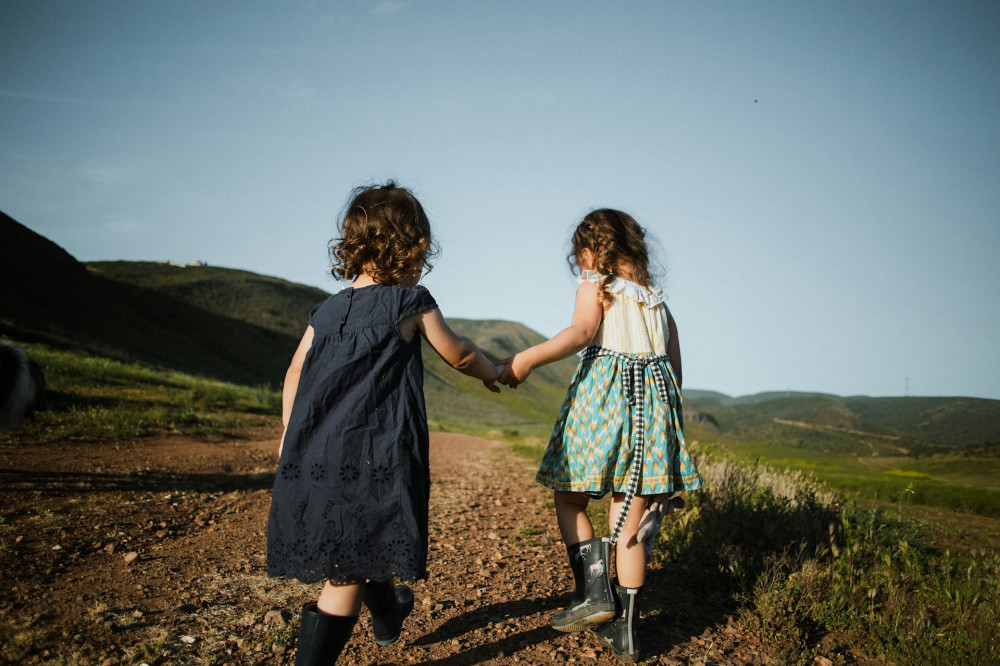
Campfire cooking brings people together. It’s a social ritual that transcends age and experience. Kids can help gather firewood, stir the pot, or toast marshmallows, while adults tend the fire and share stories. It’s a way to slow down, connect, and create memories that last long after the embers fade.
Respect for Nature
Cooking outdoors comes with responsibility. Use designated fire rings or pits, and make sure your fire is completely out before leaving. Pack out all trash, avoid single-use plastics, and respect local fire regulations—especially during dry seasons. The more care you take, the more nature gives back in peace, beauty, and inspiration.
A Taste of Freedom
Wild cooking over the campfire is more than a meal—it’s a way of life. It’s about embracing simplicity, feeling the rhythm of nature, and finding joy in the process. When you stand by the fire, smoke in your hair and a skillet in your hand, the food tastes richer, the air feels fresher, and life seems beautifully uncomplicated.
That’s the true flavor of the wild—free, honest, and unforgettable.
Læs også: