Roasting, Steaming, or Baking? How the Method Affects Flavor

Roasting, Steaming, or Baking? How the Method Affects Flavor
When you’re in the kitchen preparing vegetables, fish, or meat, the cooking method you choose can make all the difference in taste, texture, and even nutrition. Roasting, steaming, and baking each bring out unique qualities in your ingredients—but they do so in very different ways. Here’s a look at how these three methods shape flavor and when it makes sense to choose one over the others.
Roasting – Bold Flavor and Crispy Edges
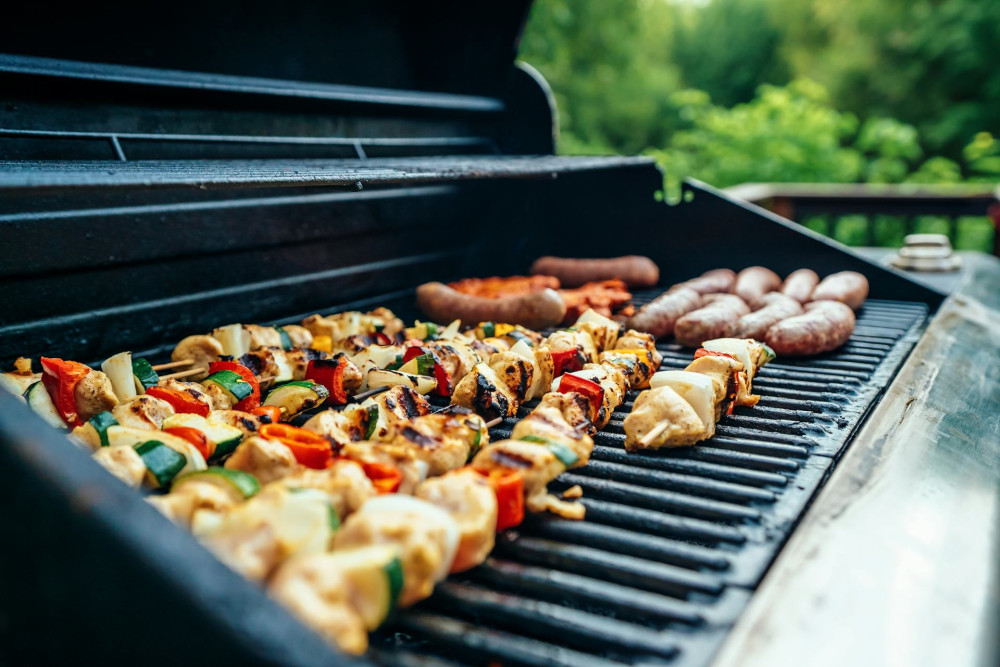
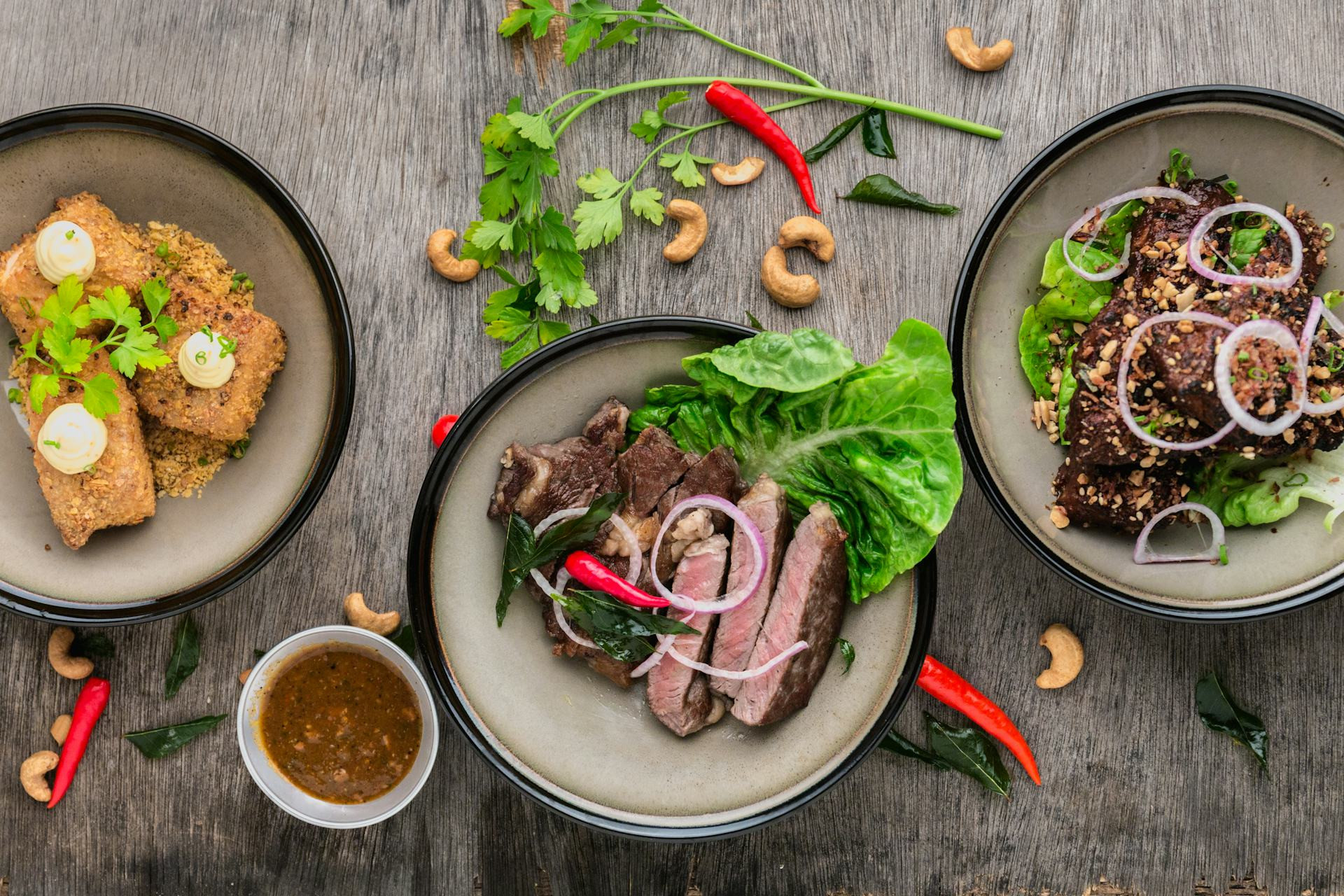
Roasting is the go-to method for deep, caramelized flavor. When food meets high, dry heat—whether in the oven or on the grill—the Maillard reaction kicks in. This chemical process between proteins and natural sugars creates hundreds of new flavor compounds, giving roasted meats their savory crust and vegetables their golden, slightly sweet edges.
Roasting enhances rich, toasty notes and adds complexity, but it requires attention. Too high a temperature can dry out meat or burn vegetables, while too low a temperature can leave them pale and bland. For best results, preheat your oven, use a light coating of oil, and give your ingredients space so they can brown evenly.
This method works especially well for meats, root vegetables, and hearty produce like Brussels sprouts, cauliflower, or bell peppers.
Steaming – Clean, Fresh, and Naturally Sweet
Steaming is the gentlest of the three methods. Food cooks in the vapor of simmering water, which surrounds it with moist heat without leaching out flavor or nutrients. The result is tender, juicy food that tastes pure and fresh.
Because the temperature rarely exceeds 212°F, steaming helps preserve color, texture, and many water-soluble vitamins that can be lost through boiling. It’s a great choice if you’re aiming for a light, healthy meal.
Steaming is ideal for fish, shellfish, and vegetables such as broccoli, carrots, and green beans. To add extra flavor, try infusing the steam with herbs, citrus slices, or ginger.
Læs også:
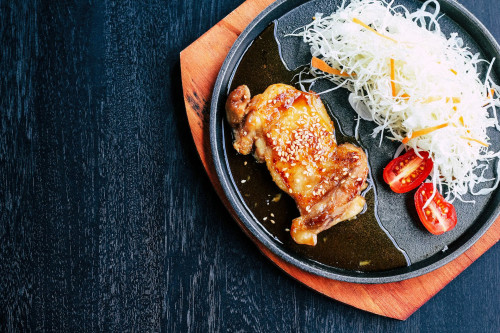
Baking – Even Heat and Deep Aroma
Baking uses steady, all-around heat to cook food evenly. It’s perfect for dishes that benefit from slow, consistent cooking and the gradual development of flavor. When you bake vegetables, their natural sugars caramelize gently, creating a mellow sweetness and rich aroma.
Baked meats and fish tend to stay moist and tender, especially when cooked at moderate temperatures or covered with foil to retain steam. Baking also shines in dishes where ingredients meld together—think casseroles, gratins, or roasted root vegetable medleys.
For a crisp surface, use convection mode if your oven has it; for a softer, juicier result, stick with conventional heat.
Which Method Should You Choose?
It depends on what you want to highlight. Roasting brings intensity and crunch, steaming preserves freshness and purity, while baking builds depth and harmony. You can also combine methods—for example, lightly steam vegetables before roasting them for color, or sear meat on the stovetop before finishing it in the oven.
Understanding how heat transforms flavor helps you make the most of your ingredients—whether you’re cooking a weeknight dinner or experimenting with something new.
Læs også: