Eat More Variety – Without Changing Everything at Once

Eat More Variety – Without Changing Everything at Once
Eating a more varied diet doesn’t mean turning your eating habits upside down overnight. It’s about small, realistic steps that add up to a big difference—for your health, your energy, and your enjoyment of food. Many people think that eating a balanced, diverse diet requires complicated recipes or exotic ingredients, but in reality, a little curiosity and planning can take you a long way.
Here’s how you can eat more variety—without changing everything at once.
Start with What You Already Eat
You don’t have to start from scratch. Look at your current habits and find small places to make adjustments. Do you often make spaghetti with meat sauce? Try replacing half the meat with lentils or finely chopped vegetables. Love sandwiches for lunch? Swap your usual deli meat for tuna, egg salad, or hummus a couple of times a week.
By building on what you already enjoy, it becomes easier to stick with the changes.
Make Variety Easy in Everyday Life
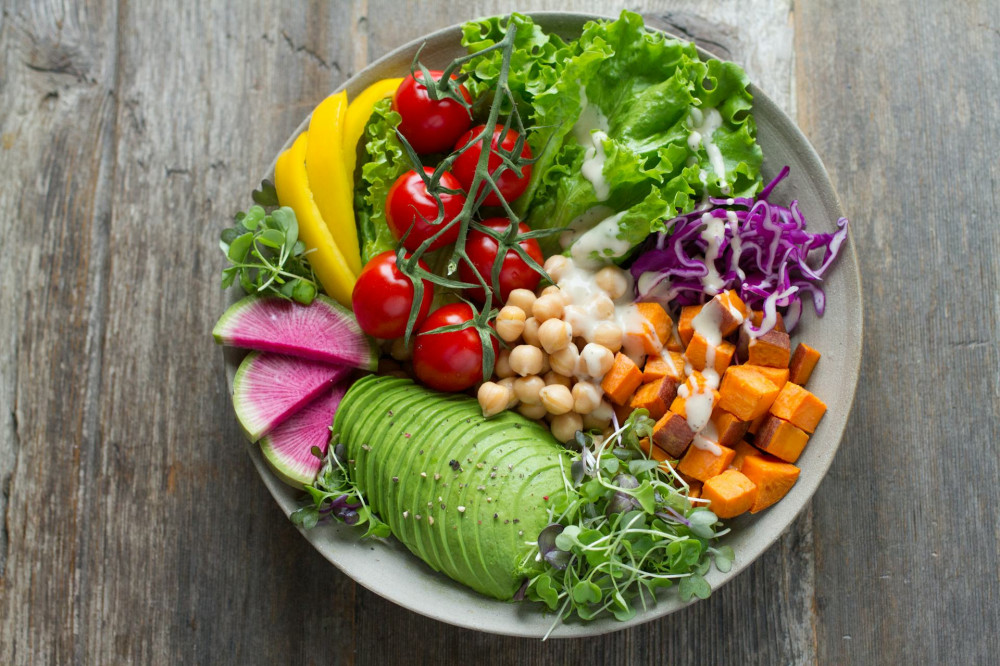
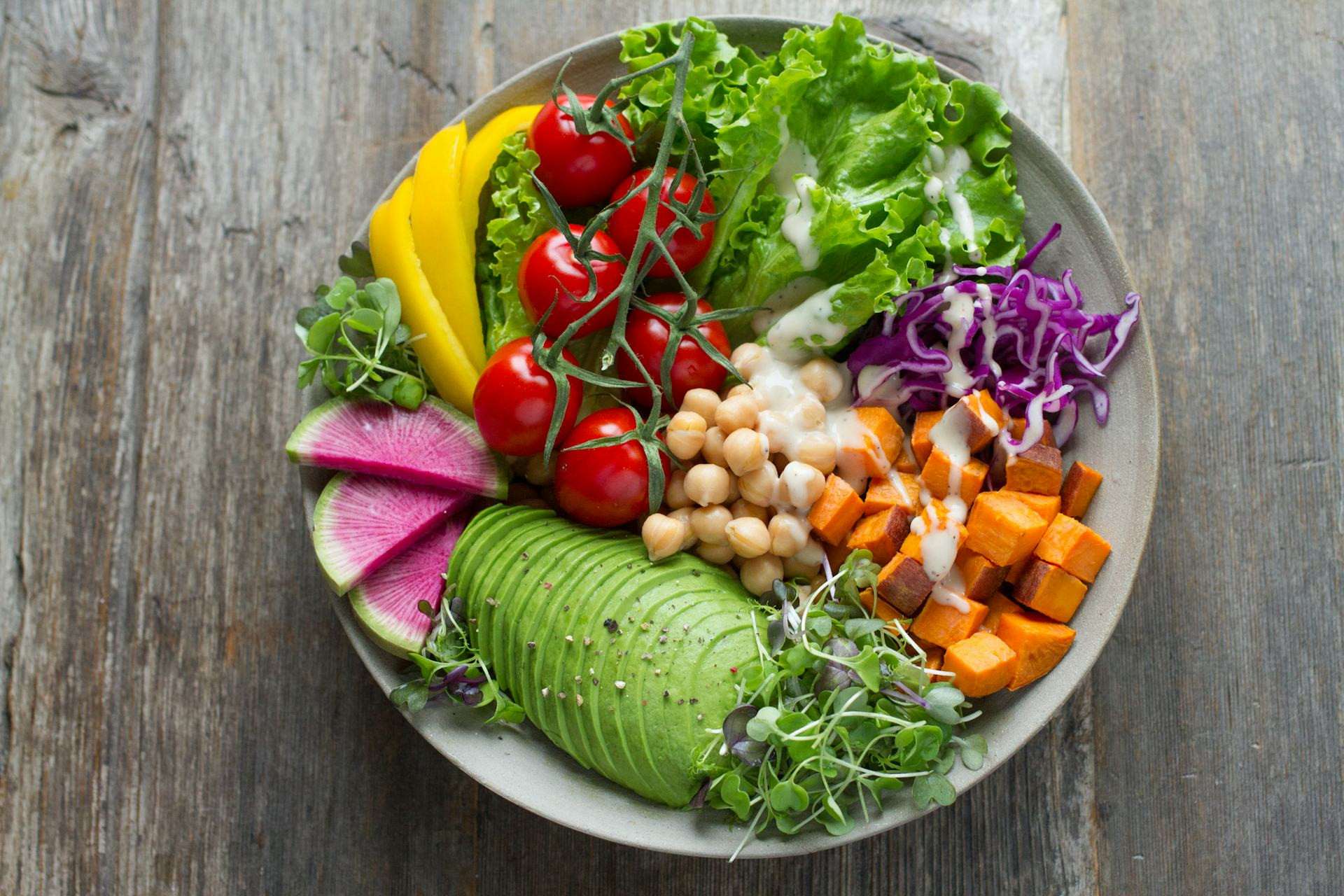
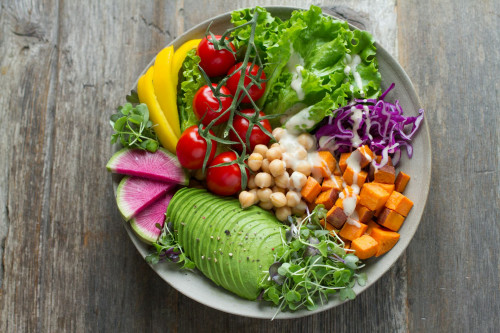
Variety isn’t just about what you eat—it’s also about how you plan. A simple way to get started is to think in colors and textures. The more colors on your plate, the more likely you are to get a range of nutrients.
- Switch up your vegetables – instead of the same ones every week, try something new. Broccoli can become cauliflower, carrots can become sweet potatoes, and lettuce can become kale or cabbage.
- Use different grains – whole wheat, oats, quinoa, brown rice, and barley all add variety and fiber.
- Eat seafood more often – once or twice a week can make a big difference for both health and flavor.
- Think seasonal – fruits and vegetables taste best when they’re in season, and it naturally helps you vary your meals throughout the year.
Læs også:

Small Changes That Stick
When you want to change habits, it’s important to take one step at a time. Trying to change everything at once can feel overwhelming. Start with one habit—like adding an extra vegetable to dinner or choosing whole-grain bread instead of white. Once that feels natural, move on to the next step.
Meal planning can also help. It doesn’t have to be detailed—just a rough idea of what you’ll eat over the next few days. It makes grocery shopping easier and helps you avoid falling back into the same routines.
Make It an Experience
Eating more variety shouldn’t feel like a chore—it should be a way to discover new flavors and enjoy food more. Get your family or friends involved. Try a “new recipe night” once a week, where you pick something none of you have made before. It could be a new soup, a different kind of salad, or a twist on a favorite dish.
You can also take inspiration from other cuisines. It doesn’t have to be complicated—small touches like new spices, sauces, or side dishes can give familiar meals a fresh feel.
Remember That Variety Is About Balance
A varied diet doesn’t mean giving up the foods you love. It’s about balance. There’s room for both vegetables and dessert, both fish and burgers. When you eat a variety of foods most of the time, it’s perfectly fine to enjoy your favorites now and then.
The key is finding a rhythm that works for you—and that you can maintain in the long run. Small, natural changes are worth far more than big plans that never last.
A Healthier Everyday Life—One Meal at a Time
Eating more variety isn’t a project with an end date. It’s a gradual process of learning new habits and discovering new favorites. Every time you try something new, you expand your options—and make it easier to eat well without overthinking it.
So start small. Swap a few ingredients, try something new, and enjoy the journey toward a more varied and inspiring plate.
Læs også: