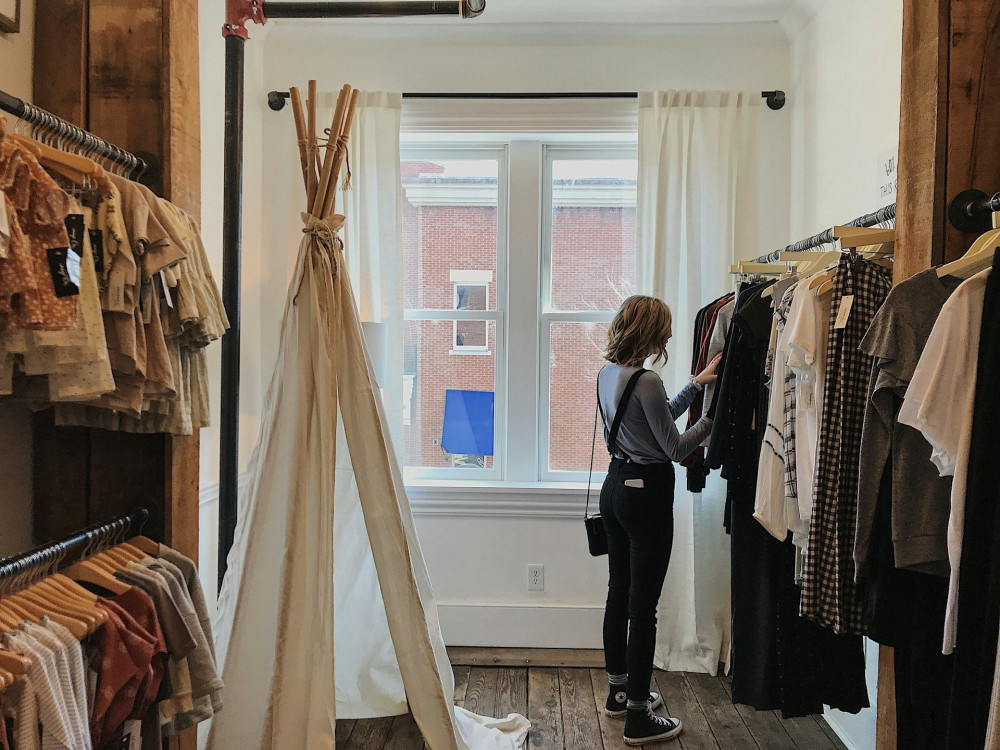
Quality Test: Does Your Clothing Keep Its Shape and Color After Many Washes?

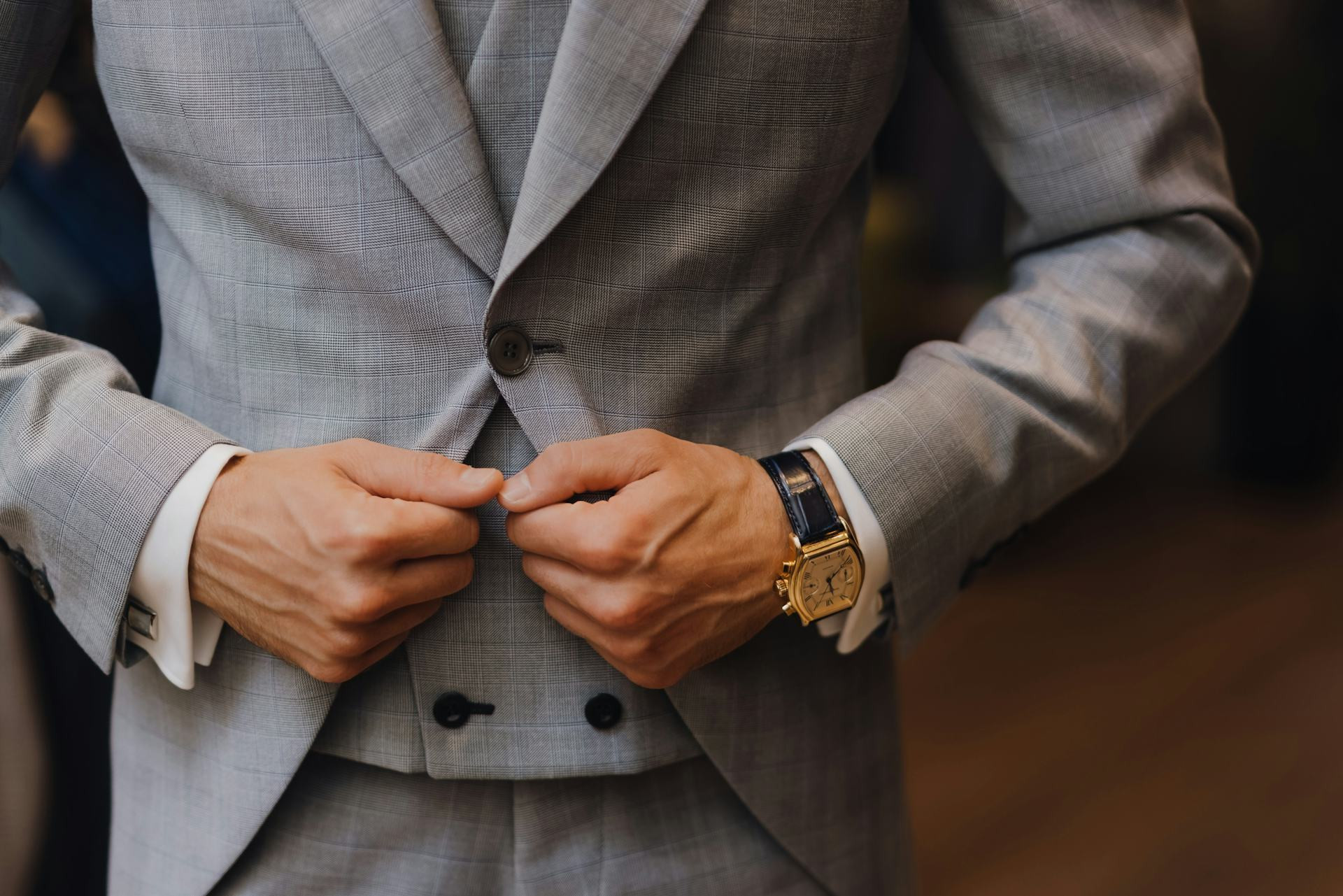
Quality Test: Does Your Clothing Keep Its Shape and Color After Many Washes?
When you buy new clothes, you probably hope they’ll look great for a long time—keeping their shape, fit, and color. But after dozens of trips through the washer and dryer, even the best fabrics can fade, stretch, or shrink. Why does this happen, and how can you tell if your clothes are built to last? Here’s a guide to understanding fabric quality, testing durability, and caring for your clothes so they stay looking new for as long as possible.
Why Clothes Lose Shape and Color
Every wash cycle exposes fabric fibers to friction, water, heat, and detergent chemicals. These factors can loosen dyes and weaken the structure of the fibers. Natural materials like cotton and rayon are especially prone to shrinking or stretching, while synthetics such as polyester tend to hold their shape better—but may lose softness or become static.
Color fading often happens because the dye wasn’t properly bonded to the fibers during manufacturing. Dark shades like black, navy, and red are the most vulnerable, while lighter colors show fading less noticeably.
How to Test Quality Before You Buy
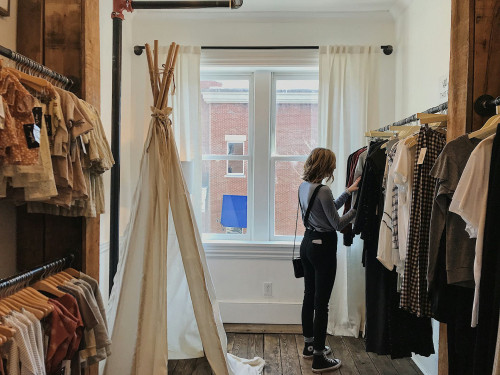
You don’t need to be a textile expert to spot well-made clothing. Try these simple checks next time you’re shopping:
- Inspect the seams: Gently pull the fabric near the stitching. If you see gaps or loose threads, the garment may not hold up well.
- Feel the fabric: A tightly woven or knitted fabric usually feels denser and more stable. Loose weaves tend to lose shape faster.
- Read the label: Natural fibers like cotton, wool, and linen are breathable and comfortable but need gentle care. A small amount of elastane (2–5%) can help garments keep their shape.
- Do a quick color test: Rub a damp white cloth on an inside seam. If color transfers, the fabric is likely to fade in the wash.
What Happens in the Washing Machine
Even a gentle wash cycle puts stress on your clothes. The drum’s motion causes friction, and warm water opens up the fibers, allowing dyes to escape. That’s why temperature matters—cooler water is better for preserving color. Spin speed and drying method also play a big role: high spin speeds can stretch fabrics, while tumble drying can cause shrinkage.
To minimize wear, turn clothes inside out, use mesh laundry bags for delicate items, and avoid overloading the machine. Less friction means less damage.
How to Keep Colors Vibrant
- Wash similar colors together: Dark fabrics can bleed onto lighter ones.
- Use detergent for colored fabrics: These formulas are free of bleach and help protect dyes.
- Don’t overuse detergent: Too much soap can leave residue that dulls colors.
- Air-dry in the shade: Sunlight can bleach fabrics, especially cotton and rayon.
- Refresh between washes: Air out garments instead of washing after every wear—it saves both fabric and energy.
Læs også:
When Clothes Lose Their Shape—Can You Fix It?
If a sweater or dress has stretched out, you can sometimes restore it with proper drying and ironing. Lay garments flat to dry so they don’t stretch under their own weight. Use steam when ironing to help fibers contract again. However, if the fabric has permanently lost elasticity, there’s little you can do—it’s a sign the fibers have broken down.
Quality Pays Off
High-quality clothing often costs more upfront, but it’s a better investment in the long run. A pair of jeans that keeps its color and fit for years is more economical—and sustainable—than several cheap pairs that wear out quickly. Think of clothing as a long-term purchase, not a disposable item. Look for brands that test their fabrics for colorfastness and shape retention, and follow their care instructions carefully.
Conclusion: Durability Starts with Smart Choices
Keeping your clothes in great shape isn’t just about how you wash them—it starts with what you buy. By understanding materials, reading care labels, and washing thoughtfully, you can extend the life of your wardrobe. It’s good for your style, your wallet, and the planet.
Læs også: