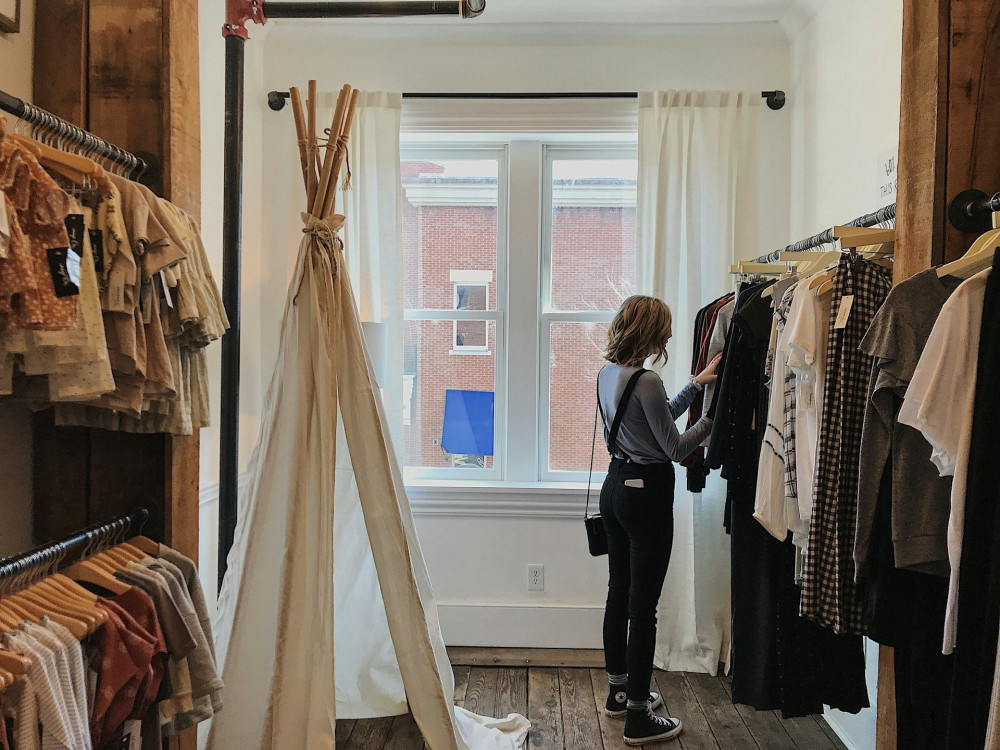
Declutter with Care: How to Get Rid of Clothes You No Longer Wear

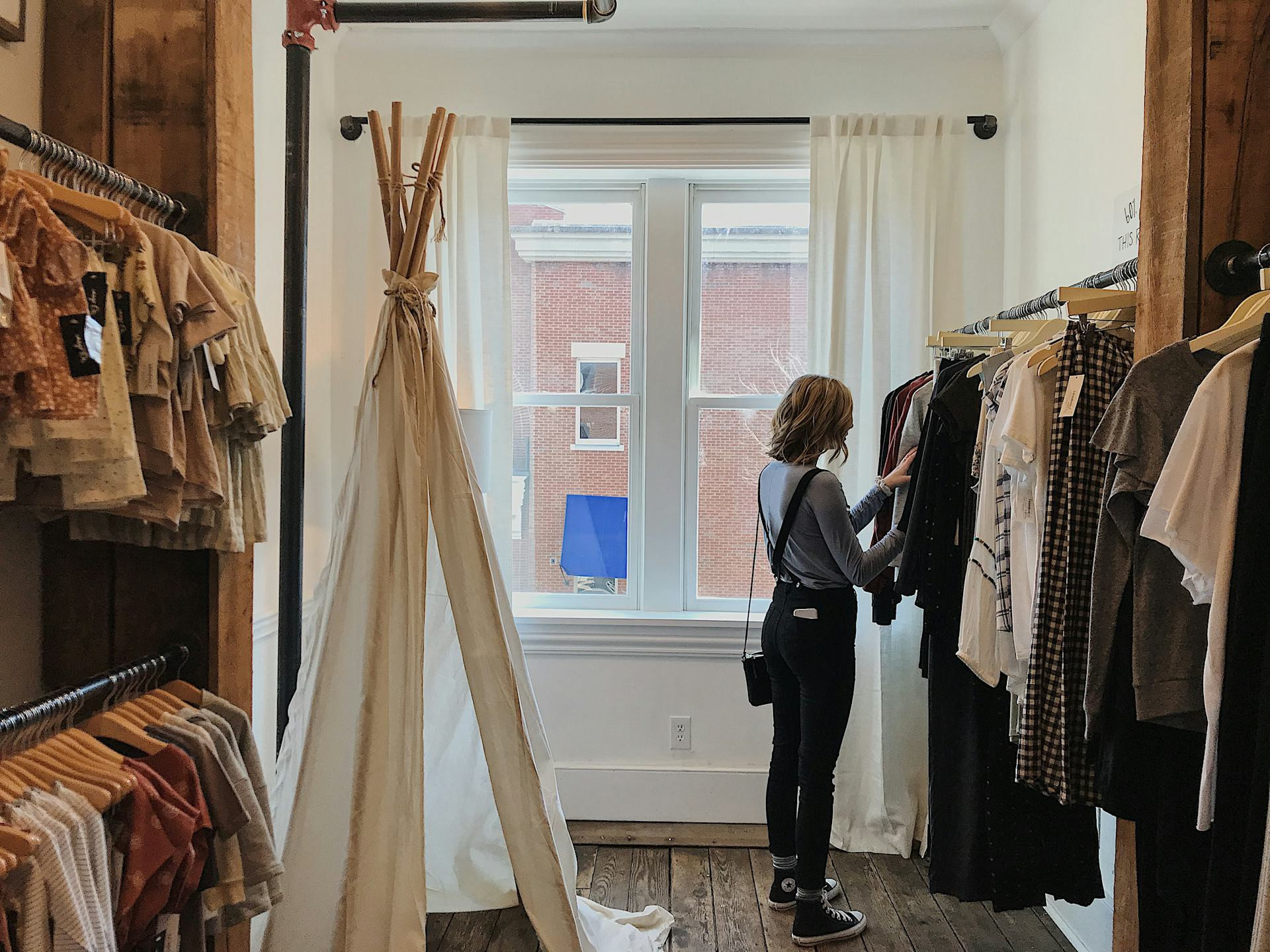
Declutter with Care: How to Get Rid of Clothes You No Longer Wear
Most of us have closets packed with clothes we rarely – or never – wear. Maybe they don’t fit anymore, maybe our style has changed, or maybe they’ve just been forgotten in the back of a drawer. Whatever the reason, clearing out your wardrobe can bring both peace of mind and extra space. But how do you do it in a way that’s practical, responsible, and kind to the planet? Here’s a guide to decluttering your clothes with care.
Start by Taking Stock
Before you start sorting, it helps to see exactly what you own. Take everything out of your closet and lay it on your bed or floor. It might feel overwhelming, but it gives you a clear picture of how much you actually have.
Group your clothes into categories: everyday wear, work clothes, special occasion outfits, outerwear, and so on. This makes it easier to see what you really use and what’s just taking up space. If you’re unsure about an item, try it on and ask yourself honestly: when was the last time I wore this?
Læs også:



Sort into Three Piles
Once you’ve got an overview, it’s time to sort. A simple method is to create three piles:
- Keep – clothes you wear regularly and that fit your current style and size.
- Pass On – items in good condition that someone else could enjoy.
- Repair or Recycle – pieces that are worn out but could be fixed or repurposed.
The key is to avoid throwing clothes in the trash. Textile waste is a major environmental issue, and much of it can be reused or recycled in some way.
Give Clothes a Second Life
Clothes in good condition can easily find a new home. You can:
- Donate to charity – organizations like Goodwill, The Salvation Army, and local shelters accept gently used clothing. Your donations can help people in need and support community programs.
- Host a clothing swap – invite friends, family, or neighbors to bring items they no longer wear and trade. It’s a fun, sustainable way to refresh your wardrobe.
- Sell online – platforms like Poshmark, ThredUp, or Facebook Marketplace make it easy to sell clothes. It takes a bit of effort, but you might earn some extra cash.
Always wash or clean your clothes before donating or selling them. It makes a big difference for the next person and helps extend the life of the garment.
Repair and Recycle
Some clothes just need a little care to be wearable again. A missing button, a loose seam, or a broken zipper doesn’t have to mean the end. Many communities have repair cafés or sewing workshops where you can get help, or you can learn basic mending skills yourself.
If an item is too worn to wear, it can still be useful. Many cities and retailers offer textile recycling programs where old fabrics are turned into insulation, cleaning cloths, or new fibers. Check with your local recycling center or stores like H&M or Levi’s, which often have textile drop-off bins. Avoid tossing clothes in the regular trash – they’ll just end up in a landfill.
Think Ahead: Buy Less, Choose Better
Once you’ve decluttered, it’s worth thinking about how to prevent the same buildup in the future. A few mindful habits can make a big difference:
- Choose quality over quantity – well-made clothes last longer and look better over time.
- Plan your purchases – make a list of what you actually need instead of buying on impulse.
- Opt for timeless pieces – classic cuts and neutral colors rarely go out of style.
- Care for your clothes – follow washing instructions and store items properly to extend their life.
By being more intentional about what you buy and keep, you’ll save money and reduce your environmental footprint.
A Wardrobe with Purpose
Decluttering your closet isn’t just about creating space – it’s about making conscious choices. Every piece of clothing represents resources, time, and effort. When you choose to donate, repair, or recycle, you’re contributing to a more sustainable fashion culture.
And along the way, you might discover that you appreciate the clothes you keep even more. A smaller, more thoughtful wardrobe can bring clarity, calm, and a sense of responsibility – not just for your space, but for the world around you.
Læs også: