Colors in Your Wardrobe: Create Variety Without Buying New Clothes

Colors in Your Wardrobe: Create Variety Without Buying New Clothes
We’ve all been there: a closet full of clothes, yet nothing feels right to wear. The problem often isn’t the amount of clothing we own, but how we use it. Color plays a huge role in how our wardrobe feels and functions. With a little creativity, you can refresh your style and create new looks—without spending a dime. Here’s how to use color to bring new life to what you already have.
Get to Know Your Colors
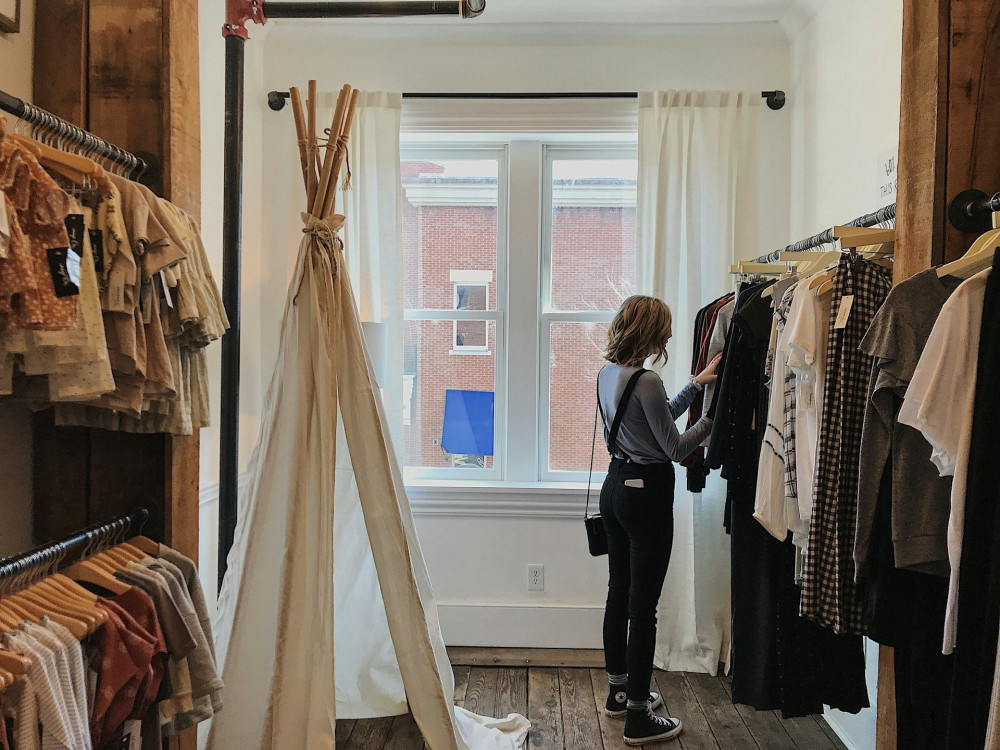
Start by taking stock of what’s in your closet. Lay your clothes out on the bed or hang them by color. You’ll quickly notice patterns: maybe your wardrobe leans heavily toward black, gray, and navy, or perhaps you have lots of warm tones like rust, beige, and olive.
Once you see your color base, it’s easier to spot opportunities for variety. You don’t have to start wearing bright colors if you prefer neutrals—small shifts can make a big difference. Even pairing two shades you’ve never worn together can make an outfit feel new.
Create New Combinations
Most of us fall into habits, pairing the same colors together because they feel safe. Try breaking that pattern. A navy shirt can look fresh with a mustard cardigan, and a gray skirt can pop with a forest green or burgundy top.
Think in contrasts: mix cool and warm tones, light and dark shades, matte and shiny fabrics. These combinations add depth and personality to your outfit—no shopping required.
Use Accessories as Color Boosters
Accessories are your secret weapon for adding color. A neutral outfit can transform with a bright scarf, a bold pair of shoes, or a statement bag. Accessories are also a low-risk way to experiment with colors you might not wear in larger pieces.
You can even repurpose what you already own. A scarf can become a headband, or an old brooch can decorate a jacket or tote. Small touches like these can completely change the mood of an outfit.
Play with Layers and Textures
Color doesn’t exist in isolation—it interacts with texture and fabric. A white shirt under a chunky knit sweater feels different than under a sleek blazer. Mixing materials like denim, silk, cotton, and wool can create visual interest, even if the colors are similar.
Layering is another great way to use color creatively. Try a bright top under a neutral cardigan, or a patterned shirt under a solid dress. Layers let you show hints of color in unexpected ways.
Rediscover Forgotten Colors
Most of us have pieces we rarely wear because the color feels “difficult.” Maybe it’s too bold, too pale, or just outside your comfort zone. Instead of giving up on it, try new pairings. A bright pink blouse can be toned down with a dark jacket, and a green skirt can feel more wearable with a beige or cream top.
If you still don’t love the color, consider dyeing the garment. Fabric dyes available at craft stores can give new life to clothes you might otherwise donate or discard.
Læs også:

Find Your Personal Color Palette
As you experiment, you’ll start to notice which colors make you feel confident and comfortable. Some people gravitate toward earthy tones, while others shine in crisp contrasts. The key is to find colors that reflect your personality and make you feel good.
Try creating a small palette of six to eight colors that mix and match easily. This makes it simpler to build outfits and helps you avoid impulse buys that don’t fit your style.
Variety Without Consumption
Creating variety in your wardrobe isn’t about buying more—it’s about seeing new possibilities in what you already own. Color is one of the most powerful tools for refreshing your look and embracing a more sustainable approach to fashion.
When you learn to play with color, you’ll not only enjoy a more dynamic wardrobe but also gain a deeper appreciation for the clothes you already have.
Læs også: