How to Make Drinks Look Refreshing and Inviting in Photos

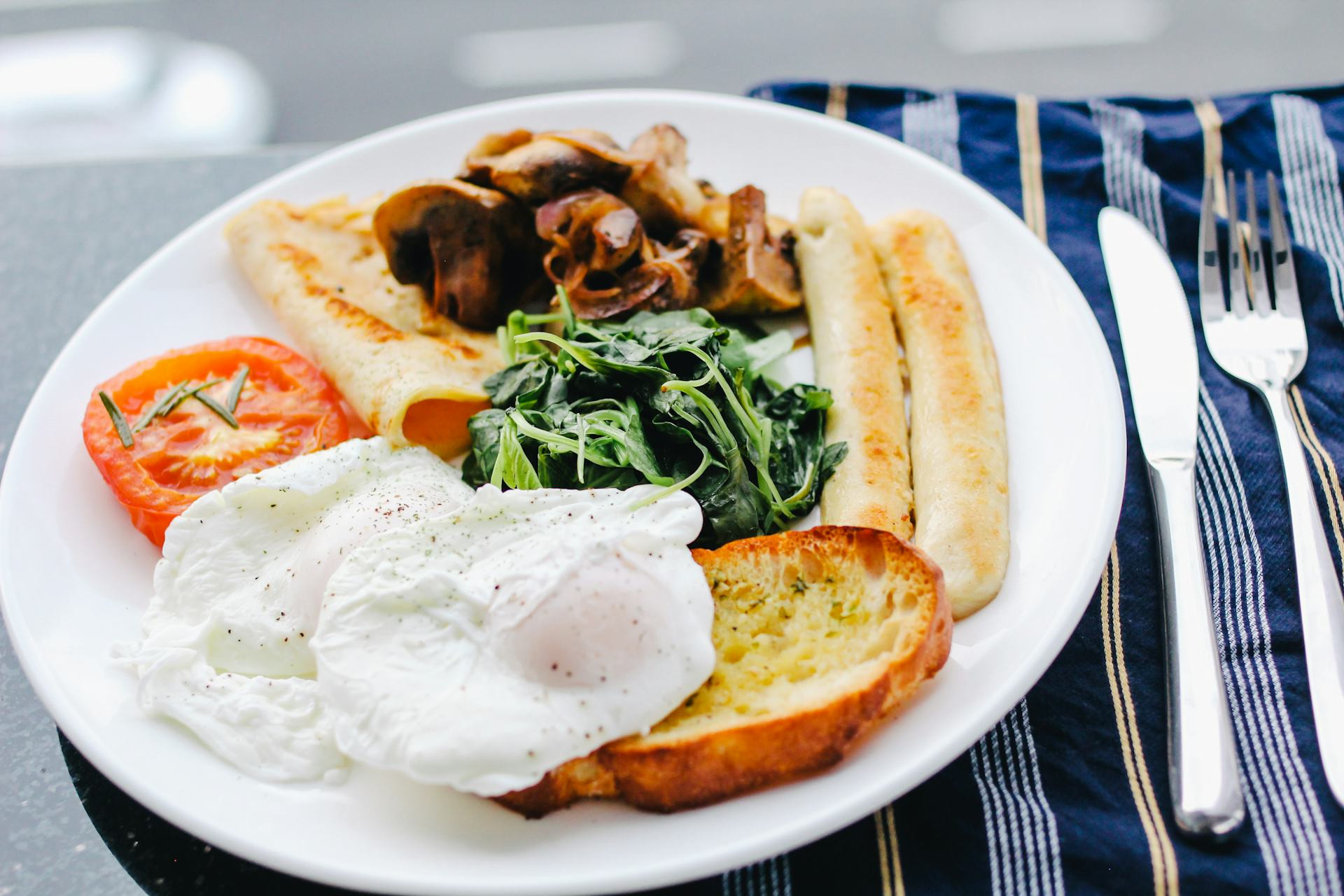
How to Make Drinks Look Refreshing and Inviting in Photos
A glass of ice-cold water with condensation on the outside, a colorful smoothie topped with fresh fruit, or a sparkling soda with bubbles and ice cubes — drinks can be some of the most tempting subjects to photograph when done right. But capturing that sense of freshness takes a bit of technique and an understanding of light, temperature, and styling. Here’s a guide to making your drinks look as irresistible in photos as they do in real life.
Start with the Right Glass and Background
The glass is a key part of your composition. A clear glass highlights the color and transparency of the drink, while a frosted or tinted glass can create a more atmospheric look. Choose a glass that fits the drink — a tall glass for iced tea, a short one for cocktails, or a mug for hot beverages.
Keep the background simple so the focus stays on the drink. A light background gives a clean, fresh feel, while a darker one adds contrast and depth. Materials like wood, marble, or linen work well as neutral surfaces that don’t distract from the subject.
Lighting Is the Secret to Freshness
Natural light is your best friend when photographing drinks. Place your setup near a window and use a white card or reflector on the opposite side to soften shadows. Avoid direct sunlight, which can cause harsh reflections and overexposure.
To make your drink look extra cold and crisp, try backlighting — placing the light source behind the glass. This makes the liquid glow and enhances details like bubbles, ice, and condensation.
Create the Illusion of Cold
Condensation and ice signal freshness, but real ice melts quickly under studio lights. A handy trick is to use fake ice cubes made of acrylic — they look real and never melt. You can also spray the glass with a mix of water and glycerin to create realistic droplets that stay put longer.
For a light frosted effect, chill the glass in the freezer for a few minutes before shooting. Just be ready to photograph quickly, as the effect fades fast.
Think About Color and Contrast
Color plays a huge role in how we perceive freshness. Bright tones like green, yellow, and red feel lively and appetizing, while darker drinks like coffee or cola need more light and contrast to look inviting.
Add fresh garnishes such as a lemon slice, mint leaves, or berries. They add color, texture, and a visual hint of what’s in the drink — all of which make the photo more appealing.
Capture Movement and Life
A drink photo doesn’t have to be static. You can bring it to life by capturing the moment liquid is poured into the glass or when bubbles rise to the surface. Use a fast shutter speed to freeze the motion, and take multiple shots to catch the perfect instant.
A small trick: add a splash of sparkling water to still drinks like juice or iced tea. The tiny bubbles make the drink look fresher and more dynamic.
Edit with a Light Touch
Post-processing can enhance your photo, but moderation is key. Adjust brightness, contrast, and saturation to make the drink look natural. Over-editing can make the image look artificial and take away the sense of authenticity.
Keep some of the natural shadows and reflections — they add depth and realism to the shot.
Læs også:

Add a Personal Touch
A great drink photo isn’t just about technique; it’s also about mood. Think about the story you want to tell: a sunny afternoon with lemonade, a cozy morning coffee, or a festive evening cocktail. Small props like napkins, straws, or fruit can help set the scene without stealing attention from the drink itself.
When you combine technical precision with a personal touch, you’ll create drink photos that look both professional and full of life.
Læs også: