Clothing Choices and Impressions – What Your Outfit Says About You

Clothing Choices and Impressions – What Your Outfit Says About You
Every morning, we stand in front of our closets and make a choice—often without giving it much thought. Yet the clothes we put on send messages to the world, consciously or not. Colors, cuts, and fabrics all tell a story about who we are and how we want to be perceived. Clothing isn’t just protection from the weather—it’s a language we all speak, shaping both how others see us and how we see ourselves.
First Impressions – Your Outfit as a Calling Card
Research shows that people form first impressions within seconds. Before we even speak, our clothes have already introduced us. A crisp shirt and polished shoes can signal professionalism and attention to detail, while a soft hoodie and sneakers might suggest creativity and ease.
There’s no single “right” way to dress, but it’s worth thinking about the impression you want to make in a given situation. In a professional setting, a clean, classic look can build trust, while bold colors or patterns can express confidence and individuality.
The Psychology of Color
Colors influence both mood and perception. Black often conveys authority and sophistication, while blue suggests calmness and reliability. Red can project confidence and energy but may come across as intense if overused. Earth tones like green and beige feel natural and grounded, while white and light shades can appear fresh and open.
Understanding how colors affect perception can help you choose outfits that support the message you want to send—whether you’re heading to a job interview, a social event, or just a regular day out.
Style as Identity
Clothing is also a form of self-expression. Some people treat fashion as a creative playground, while others prefer a timeless, understated look. Your style can reflect your values, interests, and sense of belonging—sometimes more clearly than words.
A minimalist wardrobe might signal focus and simplicity, while vintage or thrifted pieces can show environmental awareness and a love for individuality. The key is authenticity—wearing what feels true to who you are, not just what you think others expect.
Clothing and Confidence
The right outfit can make a real difference in how we feel about ourselves. When we’re comfortable and confident in what we wear, it shows in our posture, tone, and presence. It’s not about chasing trends but about finding clothes that fit your body, lifestyle, and personality.
A good strategy is to have a few “go-to” pieces—items that always make you feel strong and comfortable. Maybe it’s a perfectly fitted blazer, a favorite pair of jeans, or shoes that make you walk a little taller. That sense of confidence tends to carry through the rest of your day.
When Clothing Becomes Communication
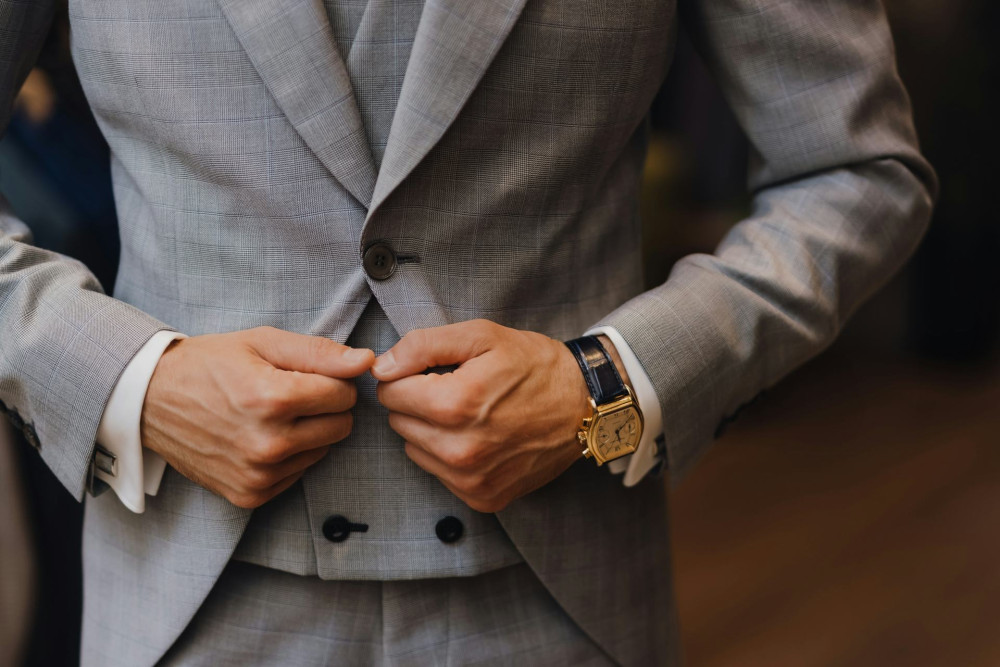
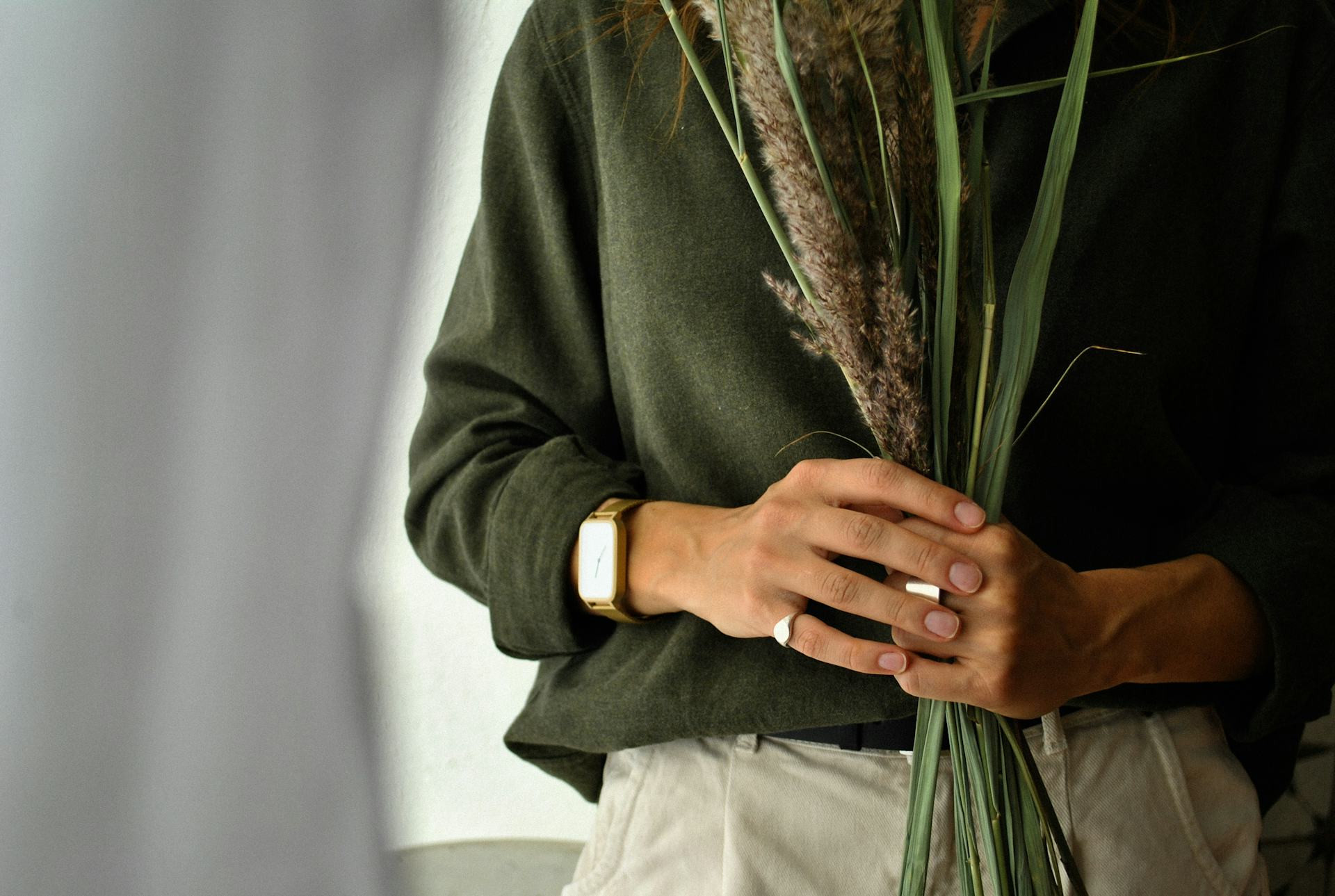
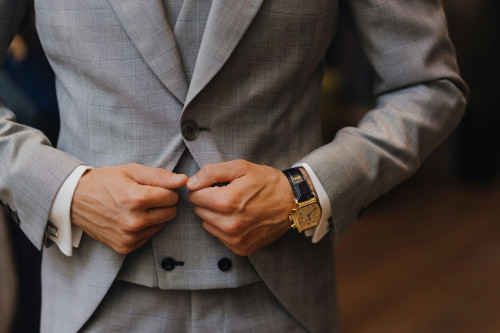
In many situations, clothing acts as a form of nonverbal communication. Uniforms, suits, and workwear signal roles and responsibilities, while casual clothes show that we’re off duty. Even small details—a watch, a scarf, or a bag—can reveal something about taste, status, or personality.
Being aware of these signals doesn’t mean dressing for others, but rather using clothing as a tool to reinforce your own story and intentions.
Læs også:

Finding Your Balance
The best outfit is the one that feels right for you. Fashion can inspire, but authenticity leaves the strongest impression. When you dress in a way that aligns with your personality and the moment, you send a clear and genuine message—and that’s what people remember.
So next time you’re standing in front of your closet, ask yourself: What do I want to express today? The answer might already be hanging right there.
Læs også: