Nature as a Sanctuary – Reclaim Your Mental Balance Under the Open Sky

Nature as a Sanctuary – Reclaim Your Mental Balance Under the Open Sky
In a world where our days are filled with deadlines, screens, and constant notifications, nature remains one of the most powerful places to find calm. Stepping outside, feeling the breeze, hearing the rustle of leaves, and watching the light shift through the trees can offer a mental reset that no app or wellness trend can replace. Nature becomes a sanctuary—a space where thoughts settle and the body remembers what it means to simply be.
Why Nature Soothes the Mind
Research from universities across the U.S. shows that spending time outdoors lowers stress hormones, reduces blood pressure, and improves mood. Part of this effect comes from nature’s slower, more predictable rhythm. When we walk through a forest trail, sit by a lake, or watch the clouds drift by, our senses engage in a way that helps the brain unwind.
The sound of birds, the scent of pine, and the sight of green landscapes all have measurable effects on our nervous system. It’s no coincidence that hospitals, schools, and workplaces are increasingly incorporating green spaces—nature’s healing power is well documented.
Making Nature Part of Everyday Life
You don’t need to plan a weeklong camping trip to feel the benefits. Even short moments outdoors can make a difference. The key is to create small rituals that bring you closer to the natural world.
- Take a walk without a destination – leave your phone in your pocket and let curiosity guide you.
- Eat lunch outside – twenty minutes in the fresh air can recharge your energy for the rest of the day.
- Find a favorite spot – a bench in a local park, a quiet corner by a river, or a trail near your home.
- Use nature for reflection – many people find that their thoughts become clearer when they move through natural surroundings.
It’s not about how far you go, but about giving yourself permission to be present.
Nature as an Antidote to Screen Time
Most Americans spend several hours a day in front of screens—at work, at home, and even during leisure time. This constant stimulation can lead to mental fatigue and restlessness. Nature offers the opposite: a space free from notifications, where you can reconnect with yourself.
Try scheduling “digital breaks” outdoors. Put your phone away and tune in to your senses. What do you hear? What do you smell? How does the ground feel beneath your feet? This kind of mindful attention can act as a mental reset button.
Læs også:



Connection and Community in the Outdoors
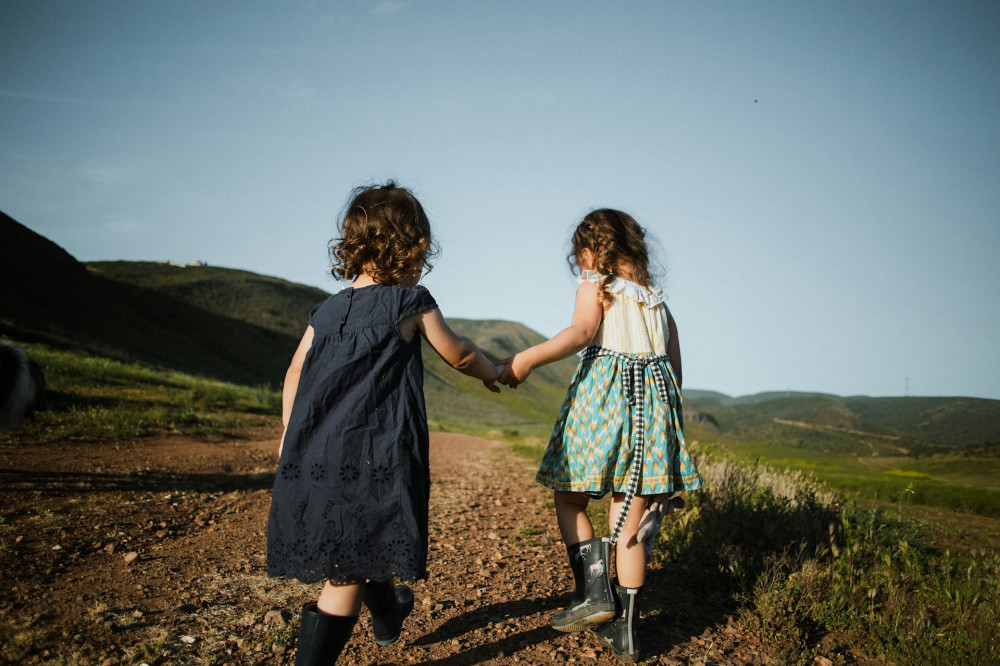
While nature often symbolizes solitude, it can also be a place for connection. A walk with a friend, a family picnic, or a group hike can strengthen relationships in a relaxed way. Conversations tend to flow more easily when you’re side by side, and the natural setting creates a neutral space outside of daily roles and routines.
For many, nature becomes not only a place of peace but also a setting for shared presence and belonging.
When Nature Becomes Therapy
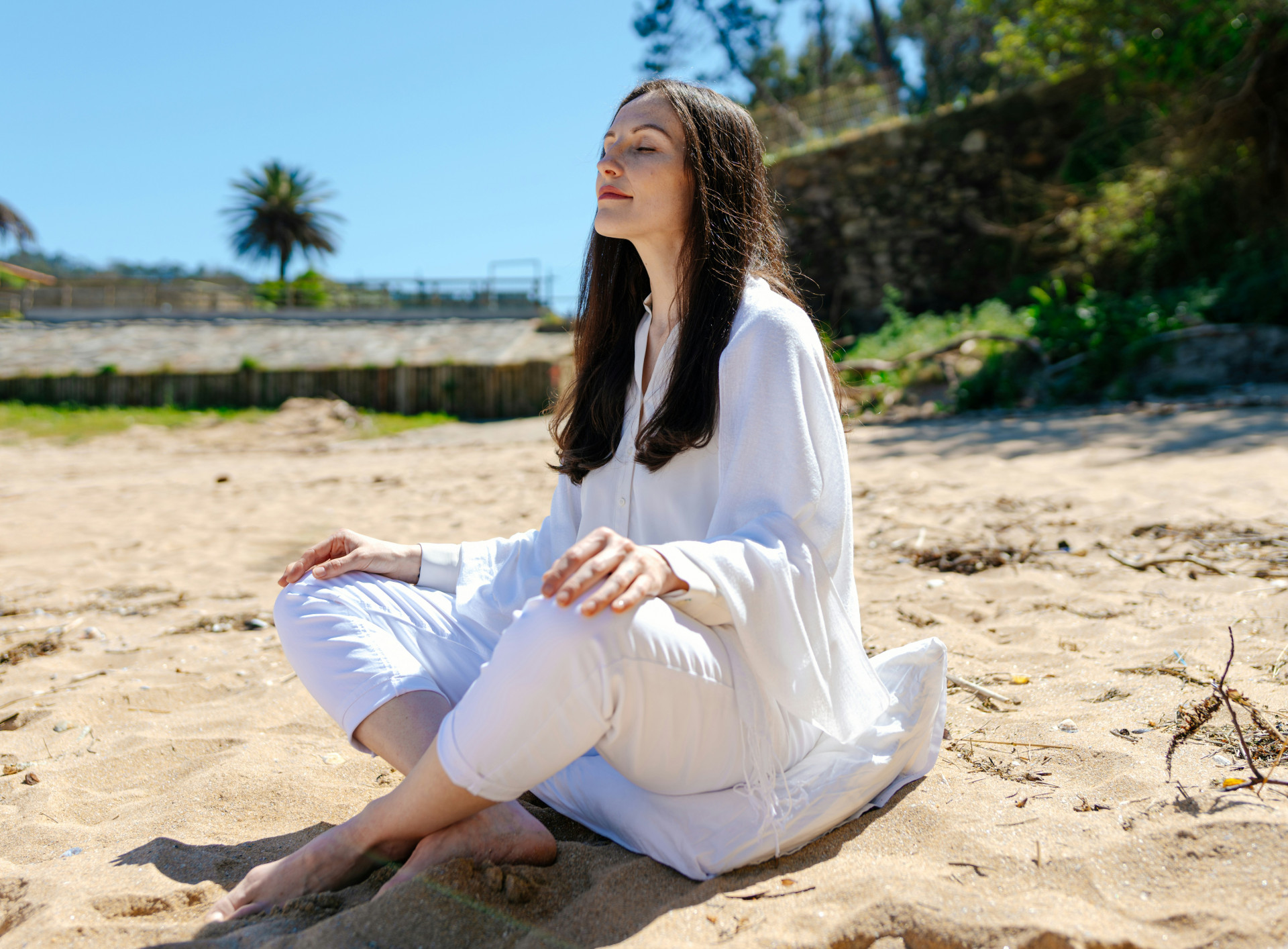
In recent years, practices like forest bathing and nature therapy have gained popularity in the U.S. These approaches aren’t about exercise but about being fully present in nature with all your senses. Many therapists now use outdoor settings for sessions, finding that the environment helps people open up and gain perspective.
You can try a simple version yourself: go somewhere you feel safe and spend a few minutes just observing. Notice the light, the sounds, the air on your skin. It may seem simple, but the effect can be profound.
Give Yourself Permission to Slow Down
In nature, there are no deadlines. Trees grow at their own pace, and the seasons change without hurry. When you spend time outdoors, you can absorb that rhythm. It’s a reminder that life doesn’t always need to be measured in productivity, but in presence.
Finding mental balance isn’t about escaping everyday life—it’s about creating small pockets of calm within it. And nature, with its quiet strength and steady beauty, is one of the best places to begin.
Læs også: