Cooking and Nutrition: How the Cooking Method Affects Food’s Healthfulness

Cooking and Nutrition: How the Cooking Method Affects Food’s Healthfulness
The way we cook our food has a major impact on its flavor, texture, and nutritional value. The same vegetable can be crisp and vitamin-rich when steamed but lose nutrients if boiled too long. Likewise, searing meat can create a delicious crust—but if the heat is too high, it can also form unwanted compounds. In this article, we’ll explore how different cooking methods affect the healthfulness of food and how you can make the most of your ingredients.
Heat and Nutrients – Finding the Right Balance
When food is heated, chemical changes occur that can be both beneficial and harmful. Cooking makes food easier to digest and kills harmful bacteria, but it can also destroy heat-sensitive vitamins such as vitamin C and folate.
- Boiling: Some vitamins dissolve in water during boiling. If you pour the water down the drain, you lose those nutrients. Instead, use the cooking water in soups or sauces to retain the goodness.
- Steaming: One of the gentlest methods. Steaming preserves color, flavor, and vitamins because the food doesn’t come into direct contact with water.
- Sautéing and baking: These methods add flavor and texture but can reduce certain vitamins. Use moderate temperatures and healthy fats such as olive or canola oil.
- Grilling: Adds a smoky flavor, but be careful not to char the food. Blackened surfaces can contain compounds linked to cancer risk.
Fats – Essential but Sensitive
Fats are an important part of a healthy diet, but they change when heated. Some oils handle high temperatures better than others.
- Butter and olive oil are best for light sautéing at medium heat.
- Canola and sunflower oil can tolerate higher temperatures.
- Avoid reusing oil multiple times—it can form harmful compounds.
A good rule of thumb is to vary your fat sources and use only as much as you need for flavor and texture.
Læs også:



Meat and Fish – Cooking with Care
Meat and fish are excellent sources of protein, iron, and omega-3 fatty acids, but how you cook them matters for your health.
- Grilling and pan-frying at very high heat can create compounds such as PAHs and HCAs, which may increase cancer risk. Avoid charring and flip the meat frequently.
- Baking and steaming are gentler methods that help retain moisture and nutrients.
- Fish should be cooked gently—steaming or baking helps preserve its healthy fats.
Marinating meat before cooking can actually reduce the formation of harmful compounds while adding extra flavor.
Vegetables and Color – Signs of Nutrition
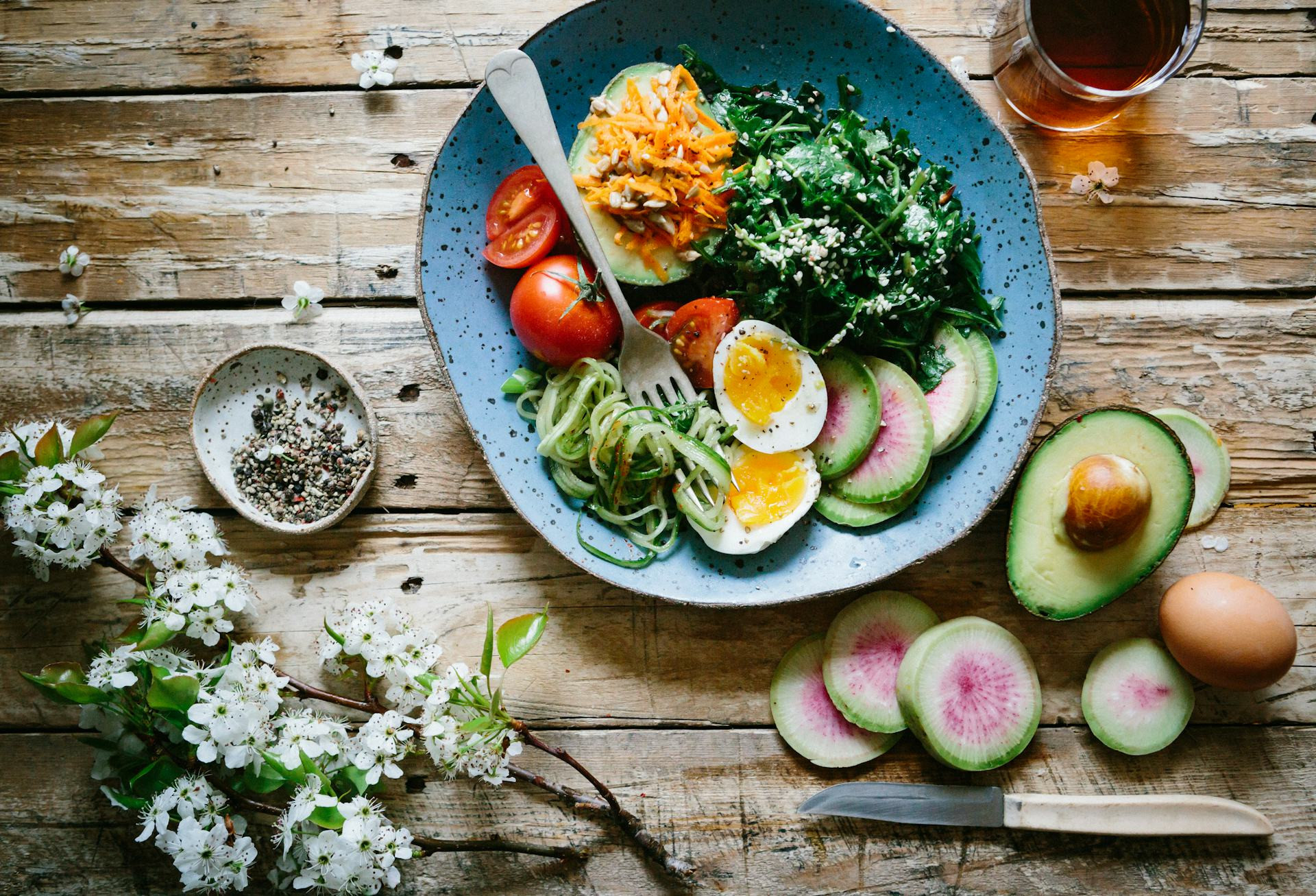
Vegetables are rich in antioxidants, often reflected in their colors. Red, green, orange, and purple hues signal different plant compounds that support health. Cooking can both increase and decrease their availability.
For example, beta-carotene in carrots becomes easier for the body to absorb after light cooking, while vitamin C in broccoli and bell peppers is best preserved when eaten raw or lightly steamed. The key is variety—in both color and cooking methods.
Leftovers and Reheating – Do It Safely
Saving and reheating food is convenient, but it requires care. Cool leftovers quickly and store them in the refrigerator. When reheating, make sure the food reaches at least 165°F to kill any bacteria. Avoid reheating the same dish multiple times, as this can affect both taste and quality.
Getting the Most from Your Food
Small changes in the kitchen can make a big difference for your health:
- Use shorter cooking times and lower temperatures when possible.
- Save cooking water from vegetables—it’s full of nutrients.
- Choose healthy fats and avoid overheating them.
- Eat a variety of foods—both raw and cooked options have their benefits.
Cooking isn’t just about satisfying hunger; it’s about preserving the best nature has to offer. With a little knowledge and care, you can prepare meals that are both delicious and nourishing.
Læs også: