Exercise as a Mental Break – Movement for Better Well-Being


Exercise as a Mental Break – Movement for Better Well-Being
In a world that never seems to slow down, finding time to pause and breathe can feel impossible. Between work, family, and the constant buzz of notifications, our minds rarely get a moment of rest. Many people think of exercise as a way to burn calories or build strength—but movement can also serve a different purpose: a mental break. When we move our bodies, we give our minds a chance to reset, recharge, and find clarity.
When the Body Moves, the Mind Finds Calm
Research consistently shows that physical activity benefits not only the body but also the brain. Exercise triggers the release of endorphins and dopamine—chemicals that boost mood and reduce stress. At the same time, movement helps quiet the mental noise that often fills our days. After a walk around the block, a jog through the park, or a yoga session, many people notice that their thoughts feel clearer and their mood lighter.
It’s not about intensity or performance. A gentle bike ride, a slow swim, or even a brisk walk can have the same mental benefits as a tough workout. What matters most is being present in the movement—allowing your body to take the lead while your mind takes a break.
Læs også:



Exercise as a Space to Breathe—Not Another Obligation
For many Americans, exercise can feel like another item on an already long to-do list. But when movement becomes a chore, it loses its restorative power. Try reframing it as a gift to yourself—a moment to step away from screens, responsibilities, and expectations.
- Lower the pressure. You don’t need to run five miles to feel better. Even ten minutes of movement can make a difference.
- Listen to your body. Some days you’ll have energy for a workout; other days, a quiet stretch is enough. Both count.
- Create small rituals. A short walk after work, a few stretches before bed, or a morning yoga flow can become grounding habits.
When exercise becomes a natural part of your day, it transforms from a task into a source of balance and renewal.
The Power of the Outdoors
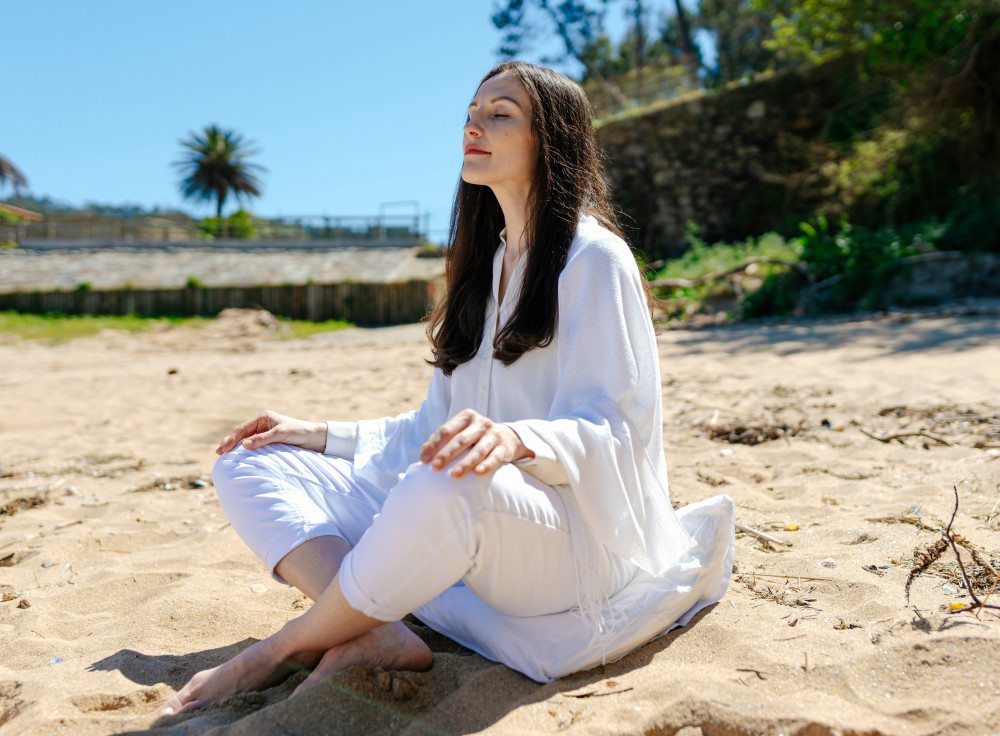
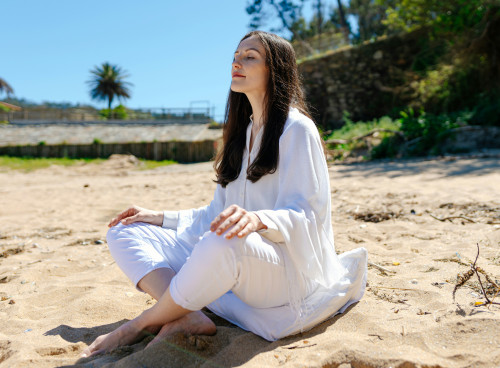
Moving outside amplifies the mental benefits of exercise. Nature has a calming effect on the nervous system—sunlight, fresh air, and natural sounds help the body and mind find equilibrium. Whether it’s a walk through a local park, a hike on a nearby trail, or a jog along the beach, being outdoors can bring a sense of peace that’s hard to find indoors.
Try leaving your phone in your pocket and tuning into your surroundings: feel the breeze, notice the colors, listen to the birds. This simple mindfulness practice turns movement into a full-body experience that nourishes both mind and spirit.
Small Steps Toward Better Well-Being
If you don’t already have a regular exercise routine, starting can feel overwhelming. But it doesn’t have to be complicated. Begin with small, manageable steps—and focus on how movement makes you feel rather than what you achieve.
- Take a short walk during your lunch break instead of staying at your desk.
- Choose the stairs instead of the elevator.
- Stretch for a few minutes when you wake up or before bed.
- Pick an activity you genuinely enjoy—dancing, swimming, yoga, or playing a sport.
The key is to make movement something you look forward to, not something you have to do.
An Investment in Mental Health
Exercise isn’t just about physical fitness—it’s about creating harmony between body and mind. Regular movement strengthens mental resilience, improves sleep, and helps you manage stress more effectively.
Seeing exercise as a mental break is a way of caring for yourself in a world that often demands constant output. It’s not selfish to prioritize movement; it’s an investment in your well-being, your energy, and your joy.
Læs også: