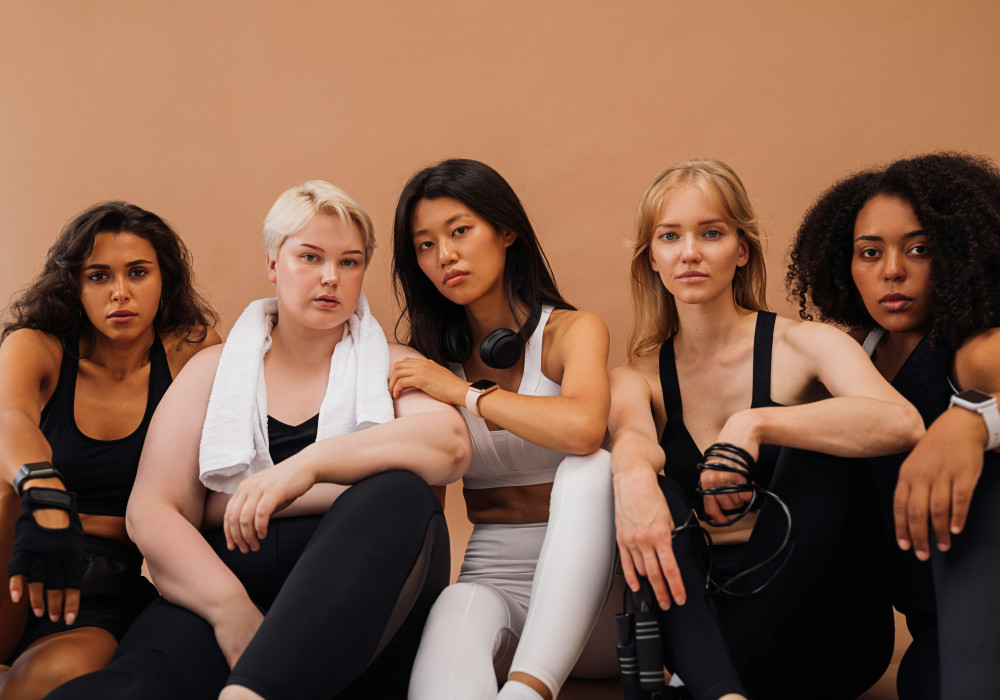
Equality in Practice: Flexible Work Habits and Everyday Respect


Equality in Practice: Flexible Work Habits and Everyday Respect
Equality is more than a policy or a legal principle—it’s a way of interacting with one another in daily life. At work, at home, and in our communities, the choices we make and the habits we form determine whether equality is something we live, not just something we talk about. Flexible work habits and a culture of everyday respect are key to turning equality from an aspiration into a reality.
Flexibility as the Key to Balance
As the nature of work continues to evolve, flexibility has become essential for both well-being and equality. When employees have the freedom to adjust their schedules or work locations to fit their personal circumstances, it opens the door for everyone—regardless of gender, family status, or background—to thrive both professionally and personally.
Flexible work can take many forms: remote or hybrid work, flexible start and end times, compressed workweeks, or the ability to take time off for family needs without stigma. It requires trust from leadership and accountability from employees, but the payoff is significant. Studies in the U.S. show that flexibility increases productivity, engagement, and retention while reducing stress and burnout.
When flexibility becomes part of workplace culture, it also helps dismantle traditional gender roles. It’s no longer assumed that mothers must handle family responsibilities or that fathers must prioritize work above all else. Instead, caregiving and career growth become shared responsibilities, guided by fairness and mutual understanding.
Everyday Respect – The Invisible Side of Equality
Equality isn’t only about structures and policies; it’s also about attitudes and everyday interactions. Respect shows up in how we speak to and about one another, in who gets heard during meetings, and in how we recognize each person’s contributions.
Small actions can make a big difference: listening without interrupting, inviting diverse perspectives, and noticing when someone’s voice is being overlooked. It also means challenging language and habits that unconsciously reinforce stereotypes—like describing a woman as “bossy” but a man as “assertive.”
Respect also means creating an environment where people feel safe to speak up. That requires leaders to model inclusive behavior and to show that diversity of thought, background, and experience is a strength, not a challenge.
Leadership’s Role in Making Equality Real
A culture of flexibility and respect doesn’t happen by accident—it starts with leadership. Managers and executives set the tone for what is acceptable and what is valued. They must be willing to have open conversations about equality, set clear expectations for behavior, and ensure that policies promoting flexibility and inclusion are actually put into practice.
A good starting point is to examine how opportunities and responsibilities are distributed. Are all employees given equal chances to develop and advance? Are parental leave and caregiving responsibilities supported in ways that don’t harm career progression? Are different life stages and personal needs taken into account when setting expectations?
When leaders actively engage with these questions, they send a powerful message: equality isn’t a side project—it’s part of the organization’s identity.
Læs også:



Equality at Home – The Foundation for Balance
While workplaces play a major role, equality truly begins at home. The division of household labor, childcare, and emotional planning still tends to fall unevenly, and that imbalance affects how both men and women can participate in professional life.
Open conversations about expectations and responsibilities are essential. Equality at home doesn’t mean splitting everything 50/50—it means finding a fair balance that feels equitable to both partners. When household and caregiving duties are shared, both individuals gain the freedom to grow—as parents, partners, and professionals.
A Culture That Benefits Everyone
Equality in practice isn’t a zero-sum game where one group wins and another loses. On the contrary, organizations that embrace flexibility, respect, and diversity consistently perform better—financially and culturally. They attract top talent, experience lower turnover, and foster workplaces where everyone can contribute their best.
When we make equality a natural part of everyday life, we don’t just create better workplaces—we build a more sustainable and inclusive society, one where everyone has the opportunity to succeed on equal terms.
Læs også: